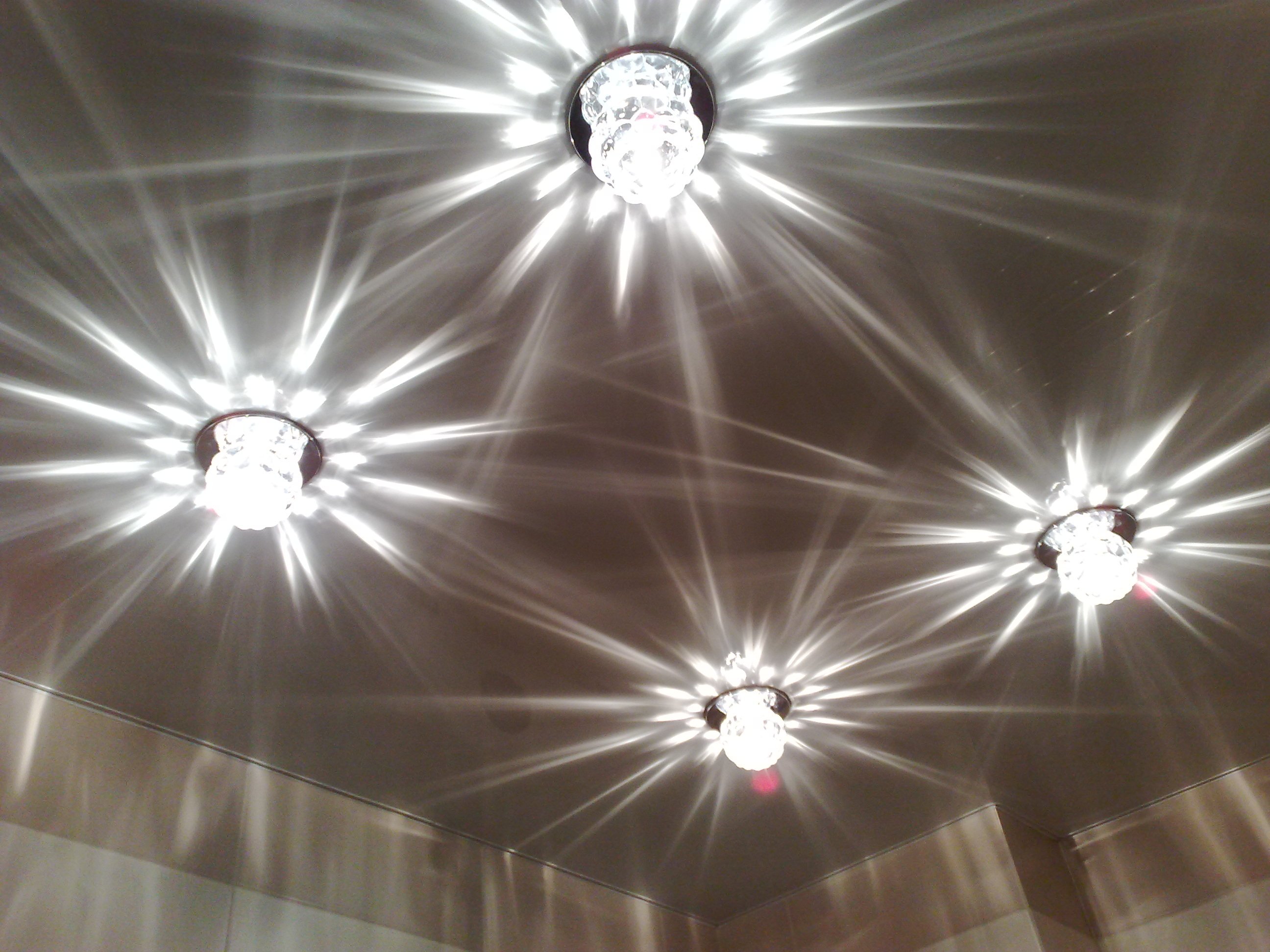
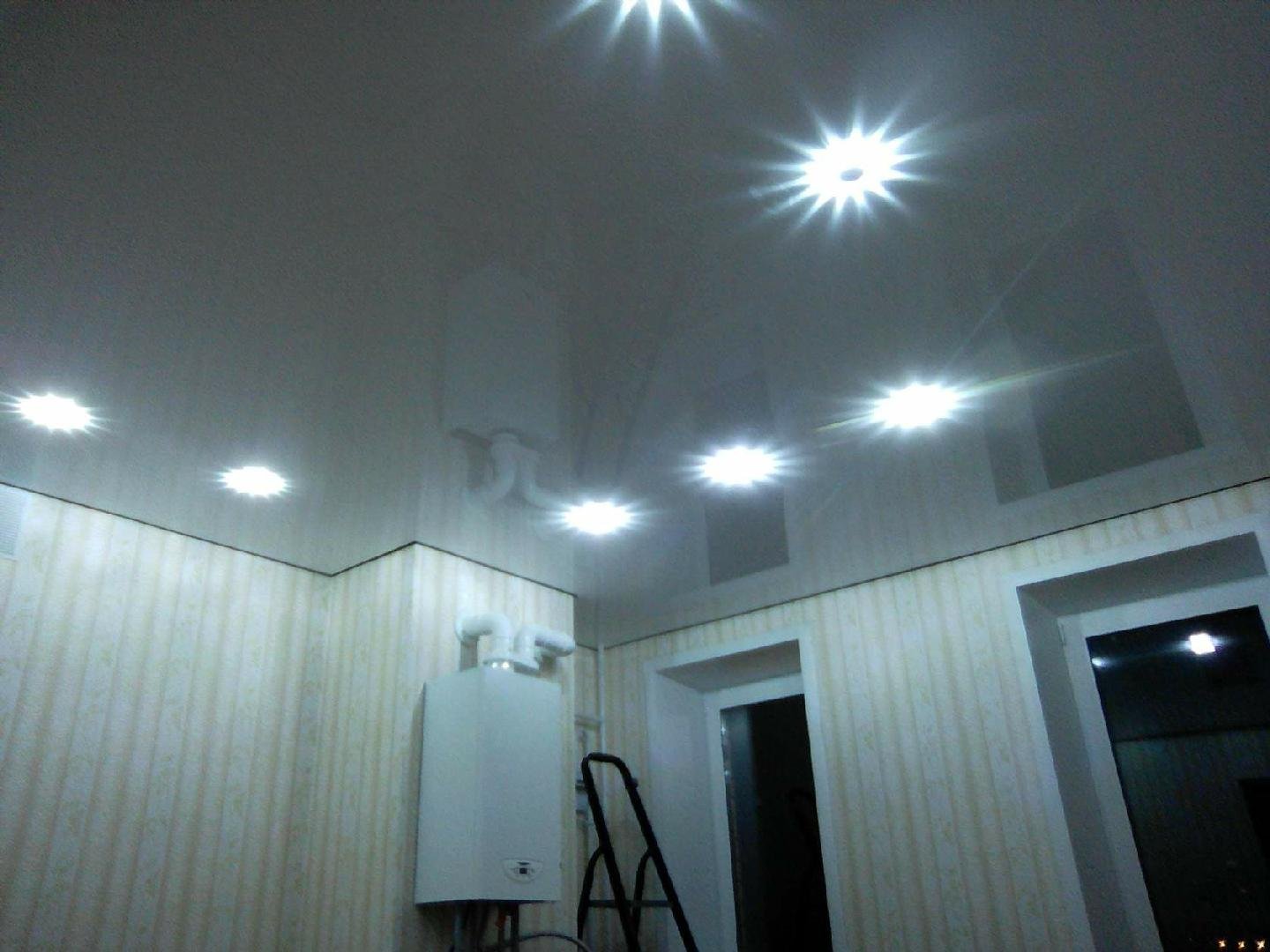
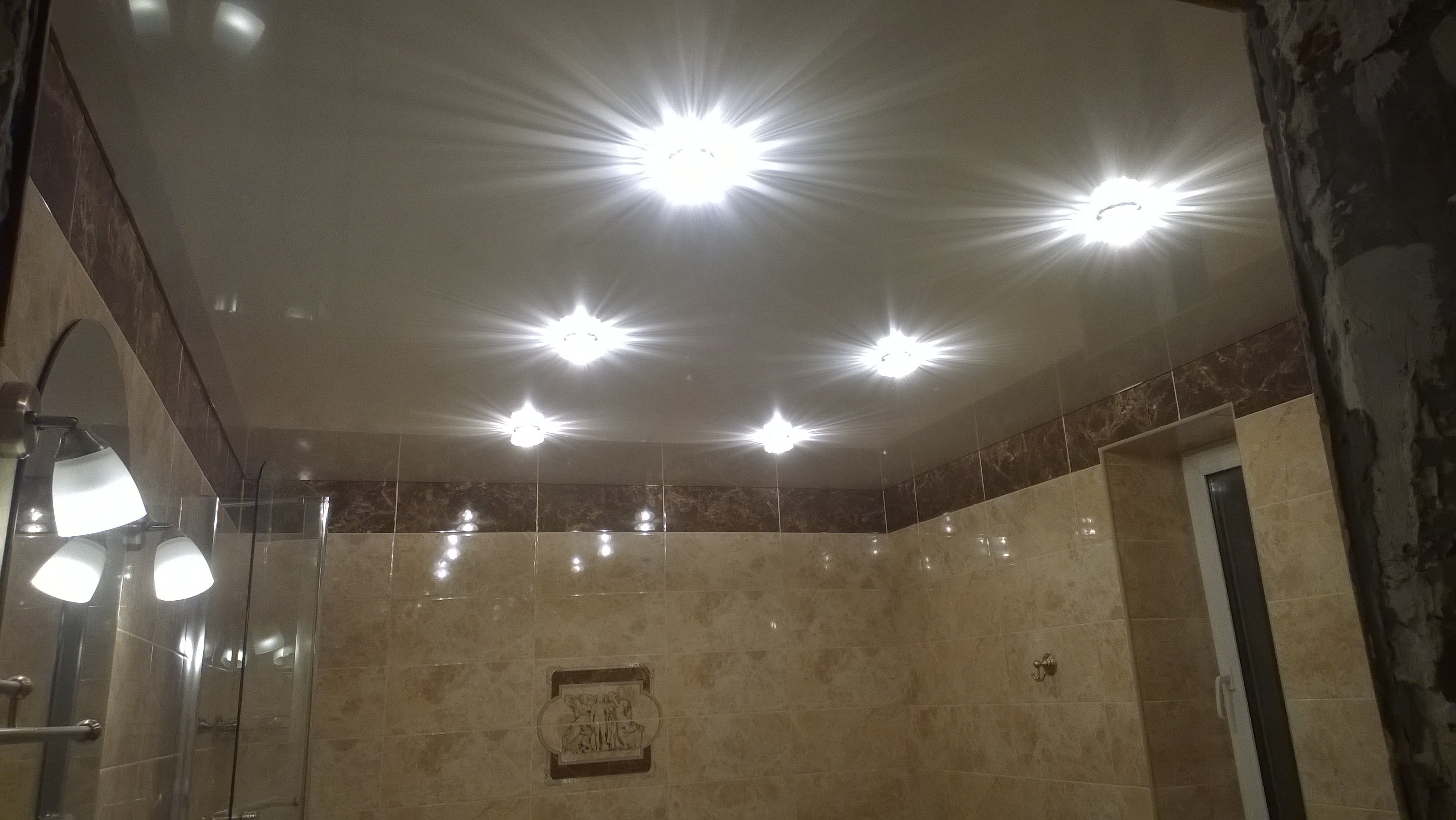
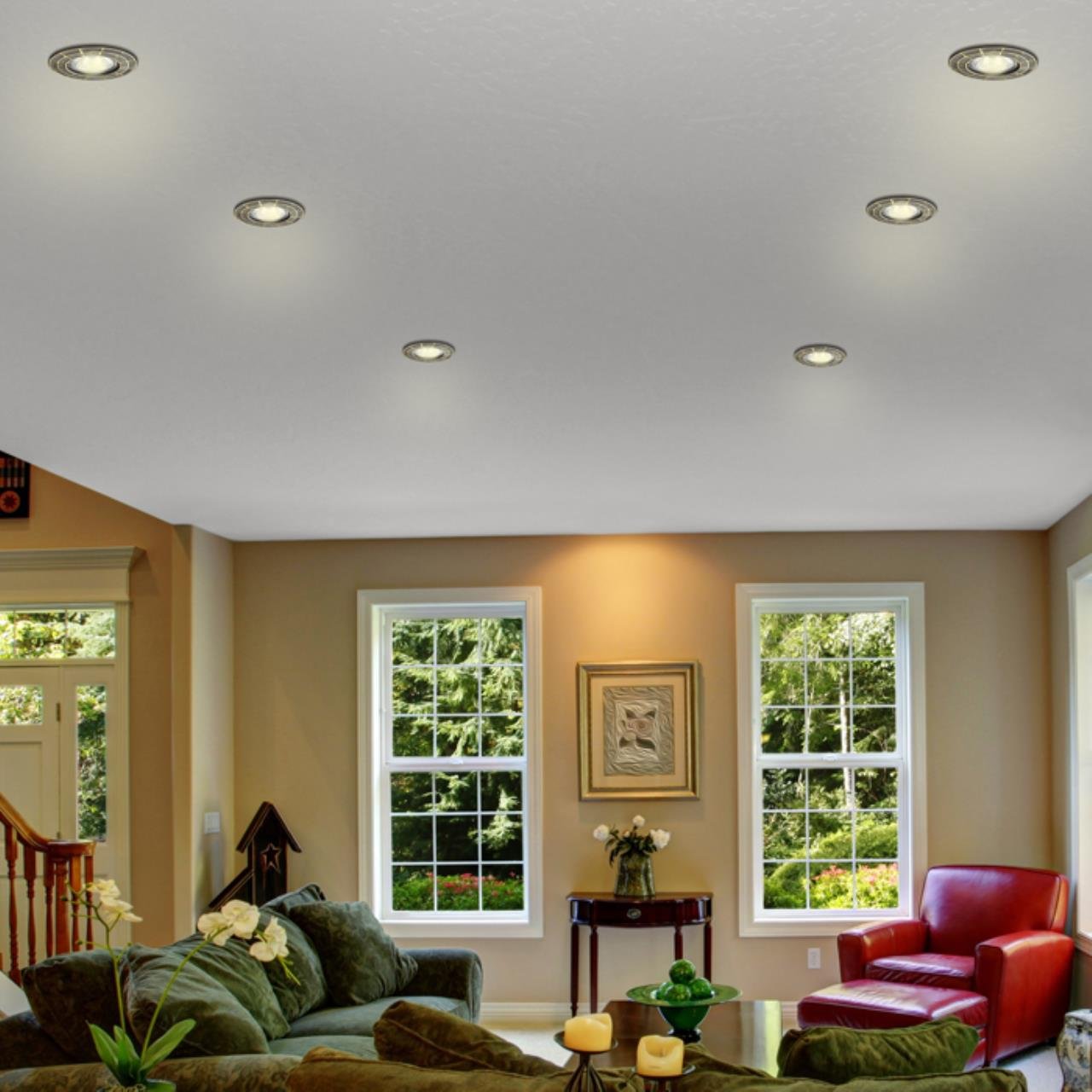
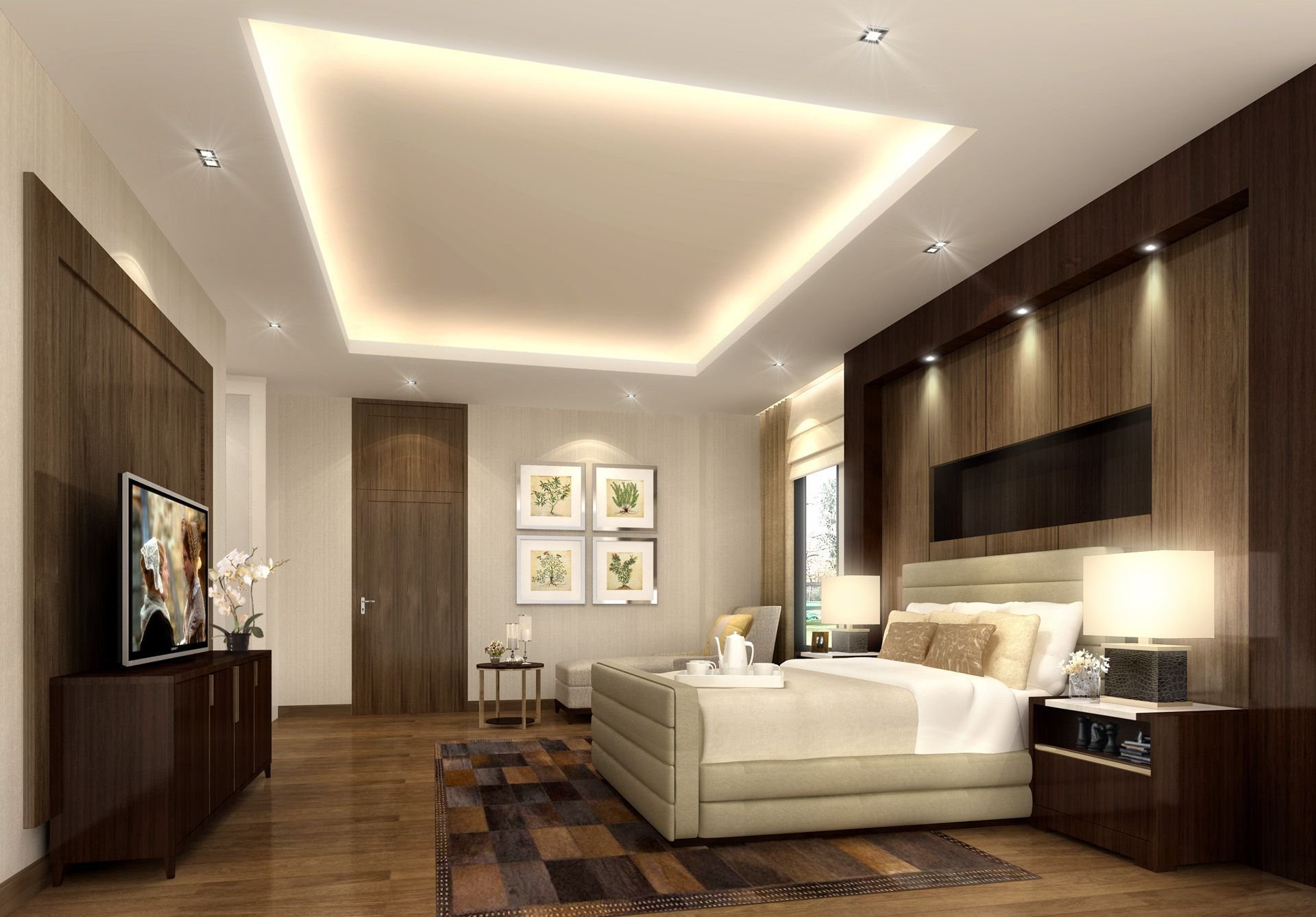
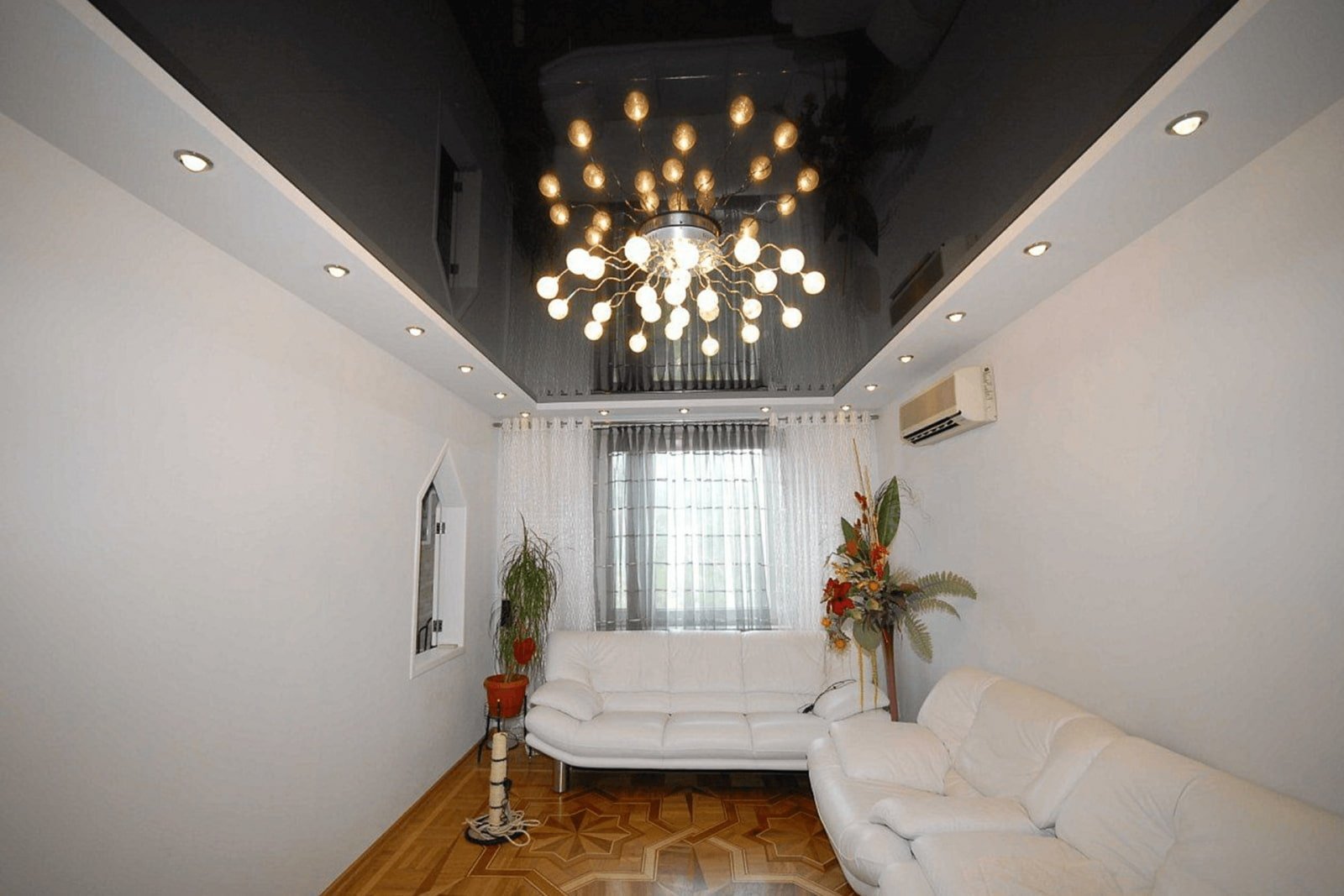
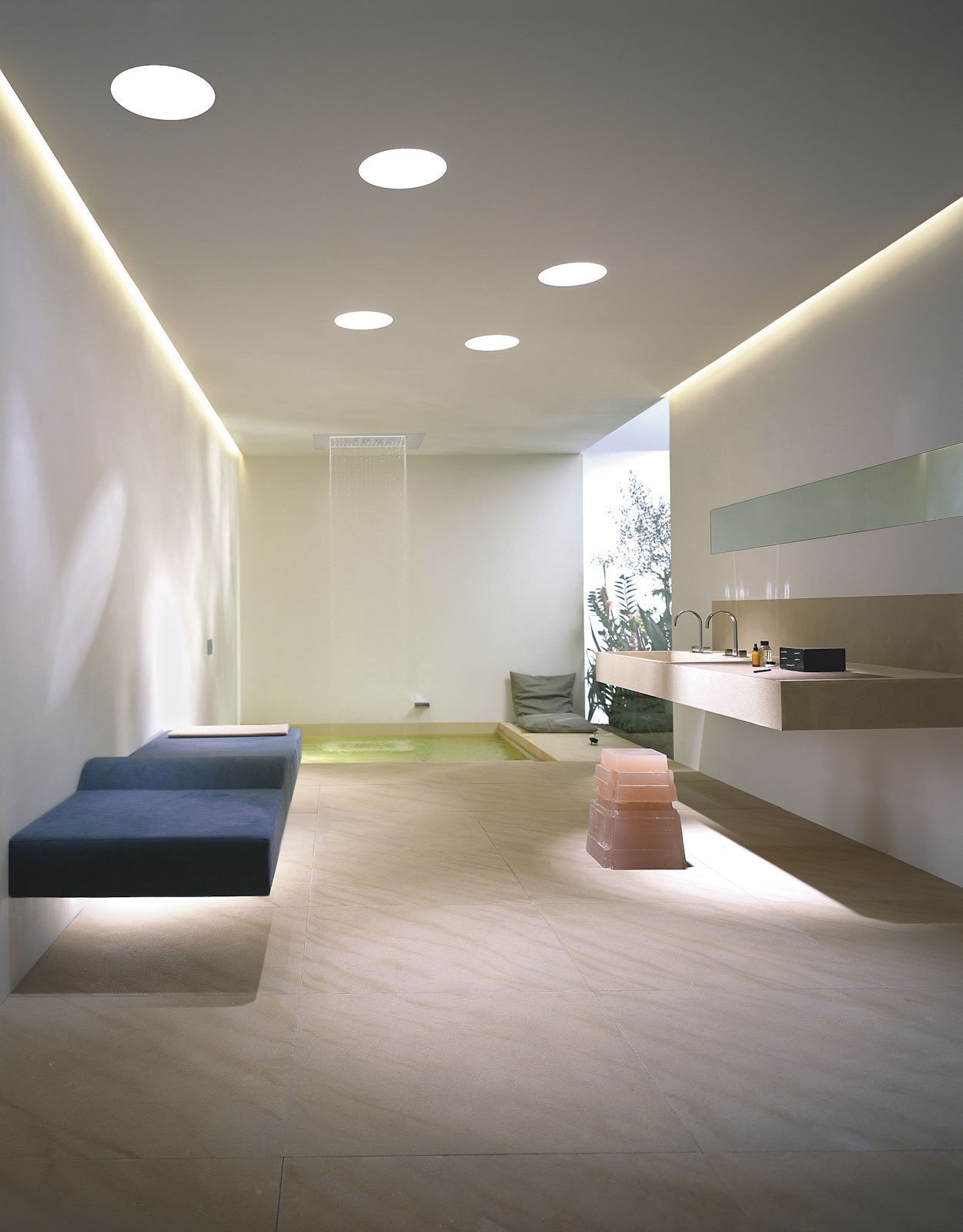
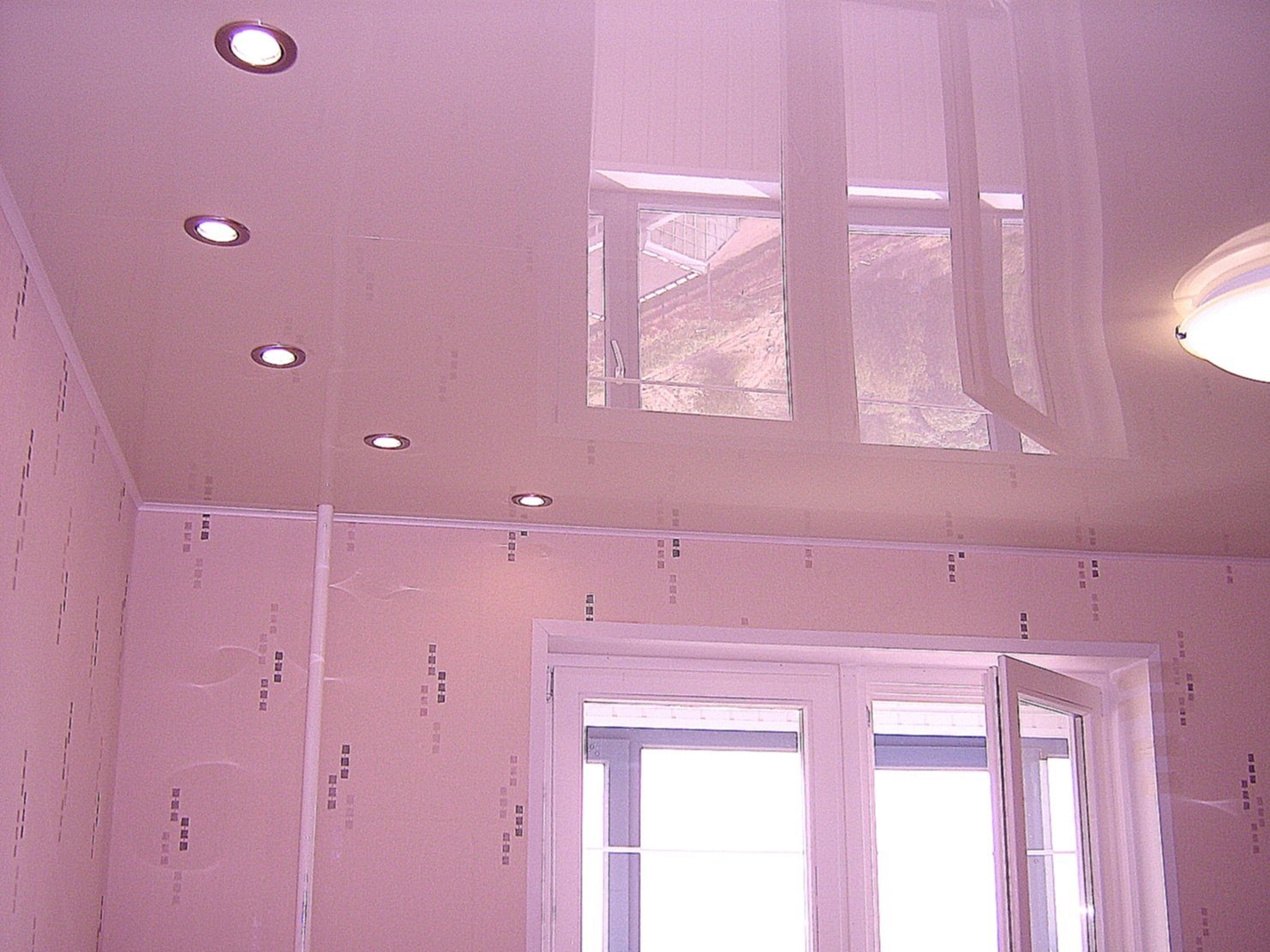
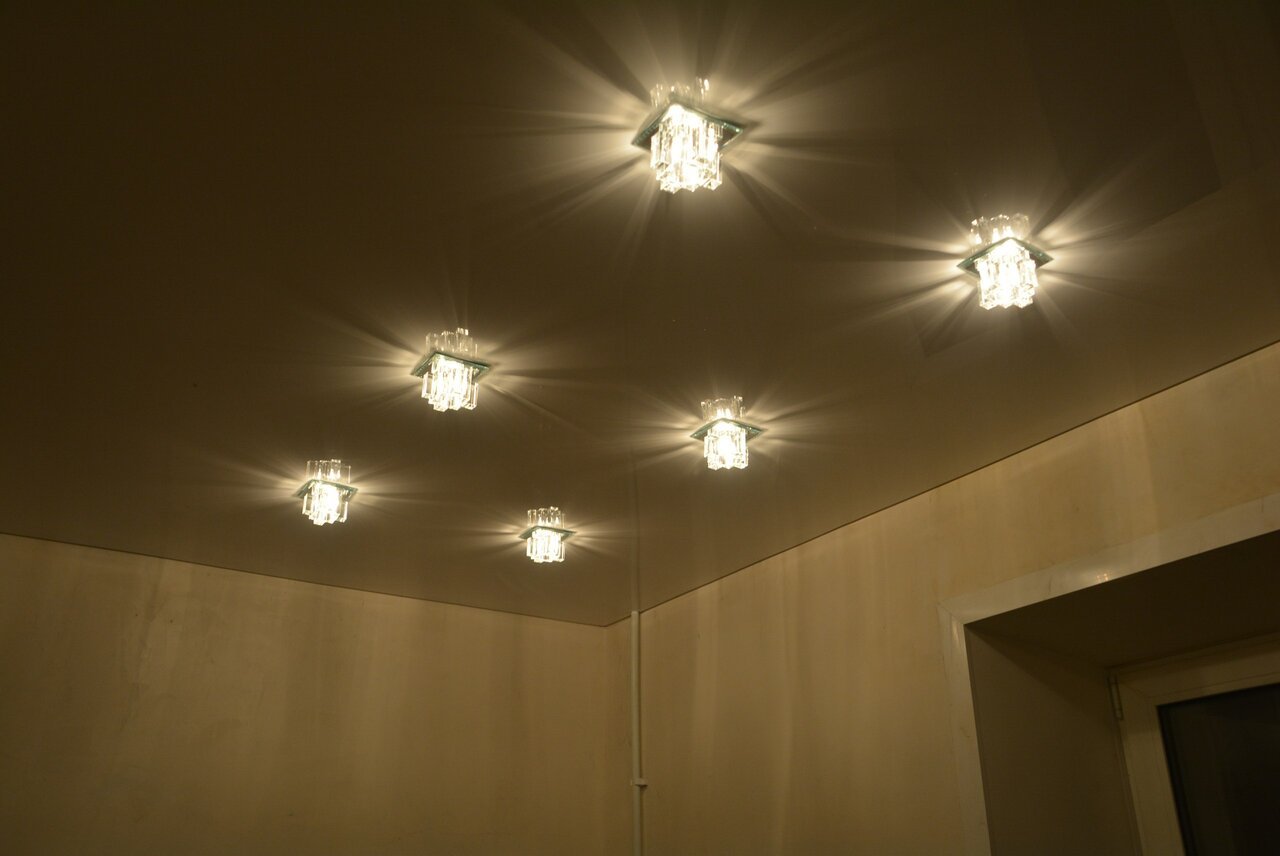
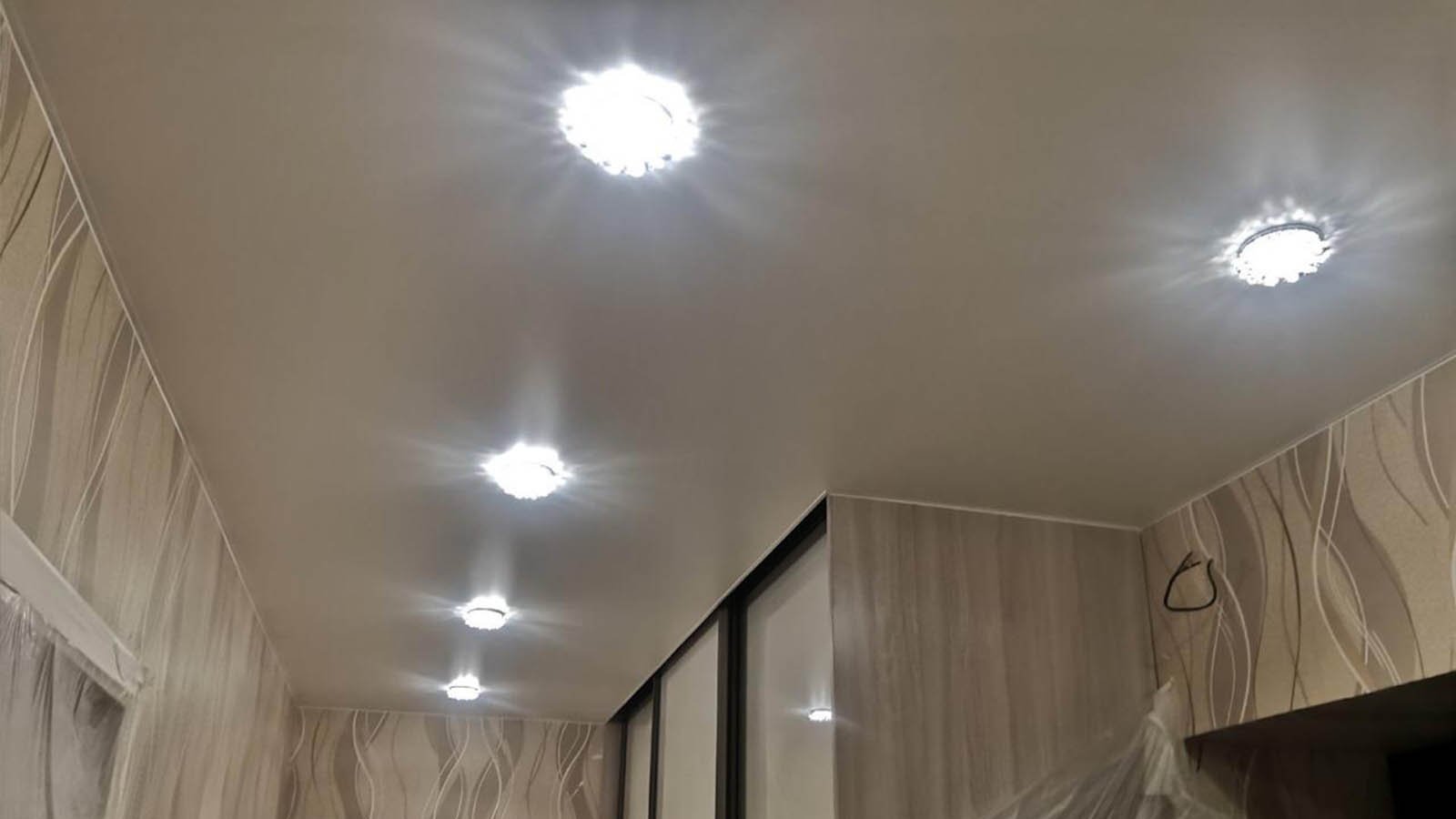
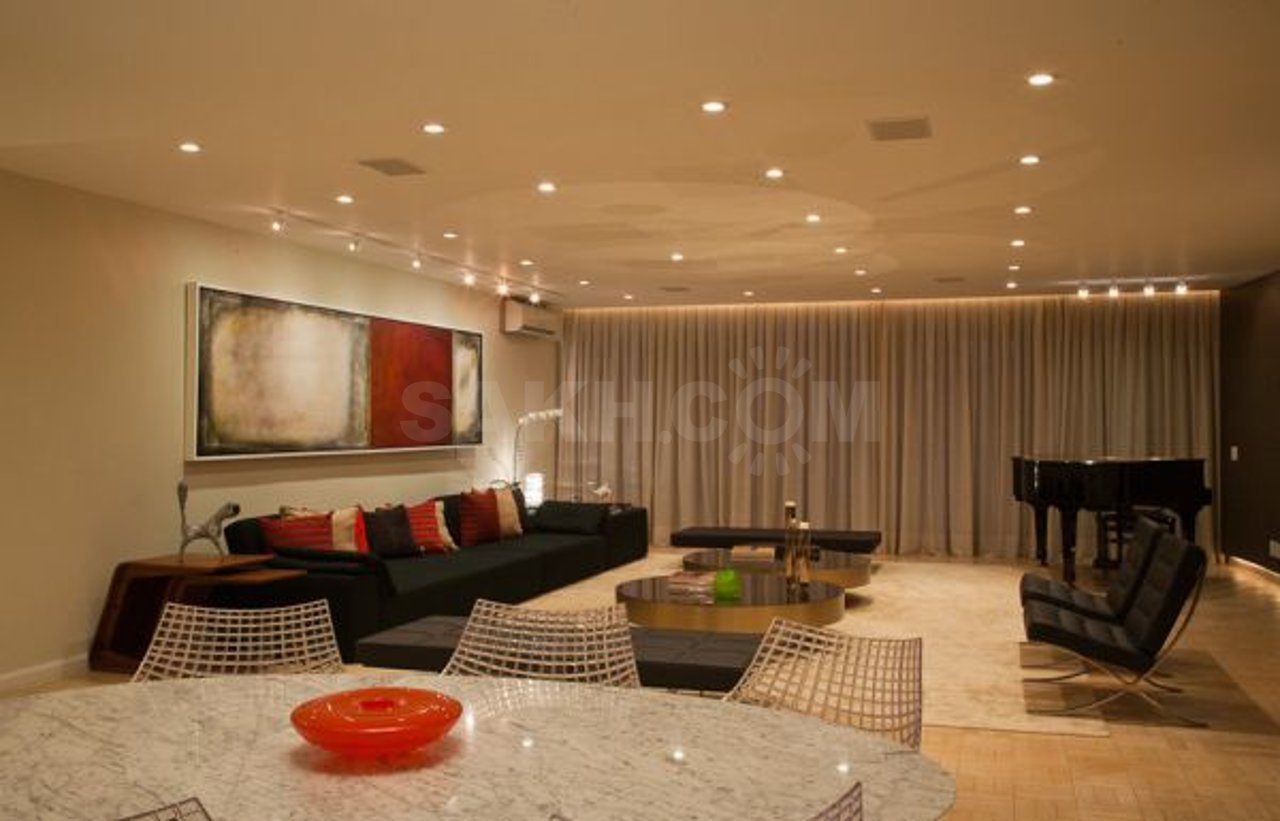
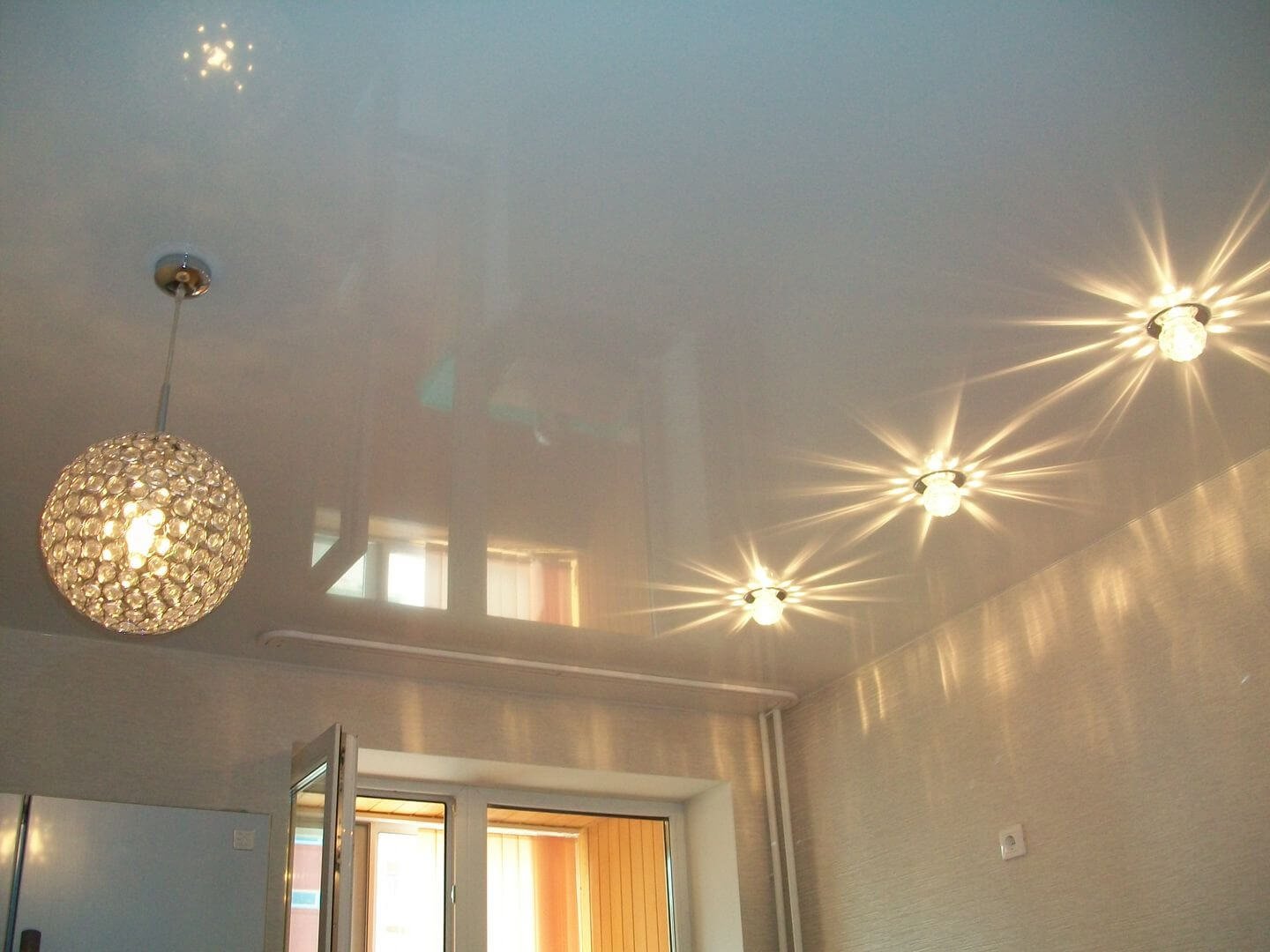
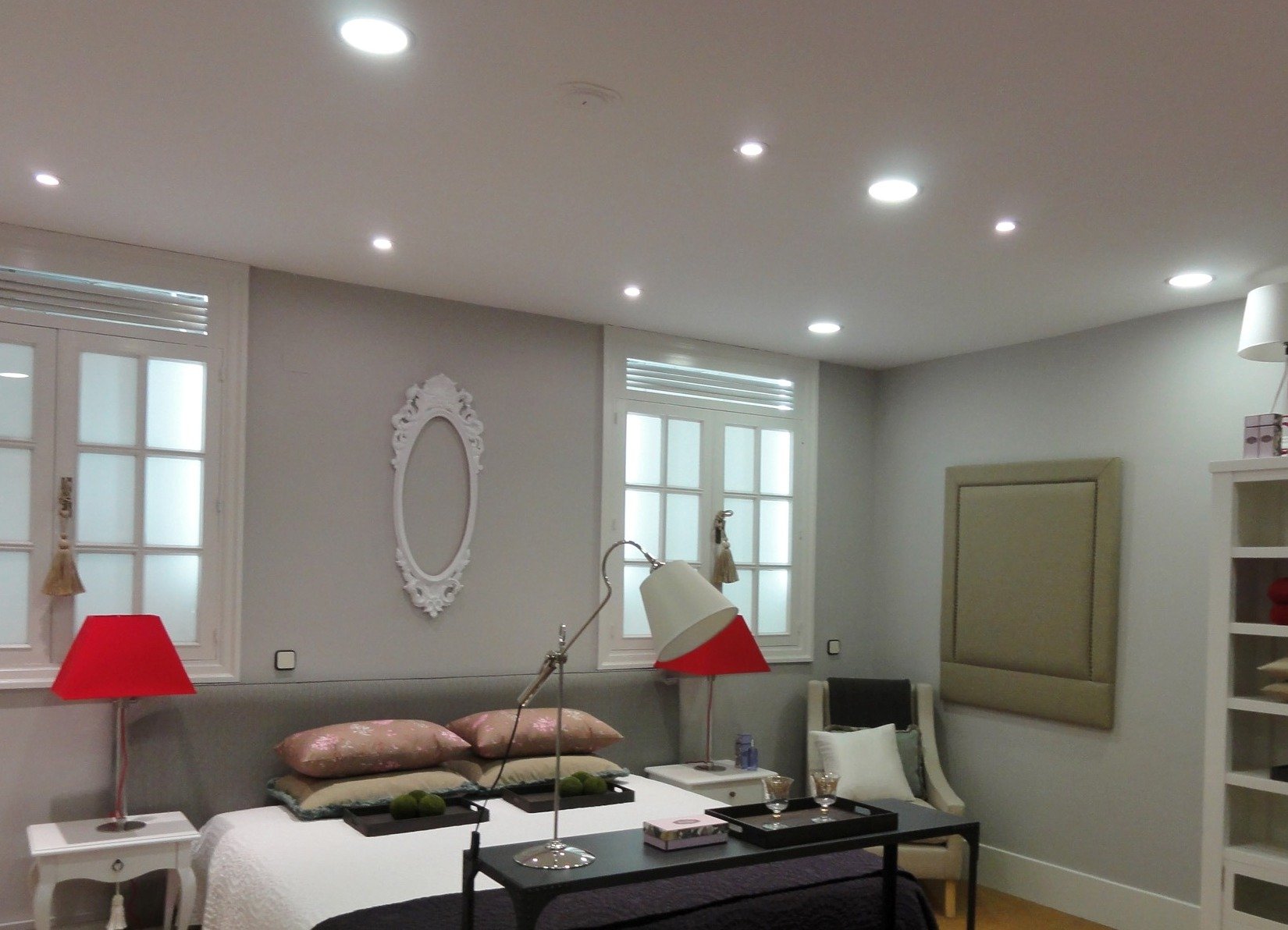
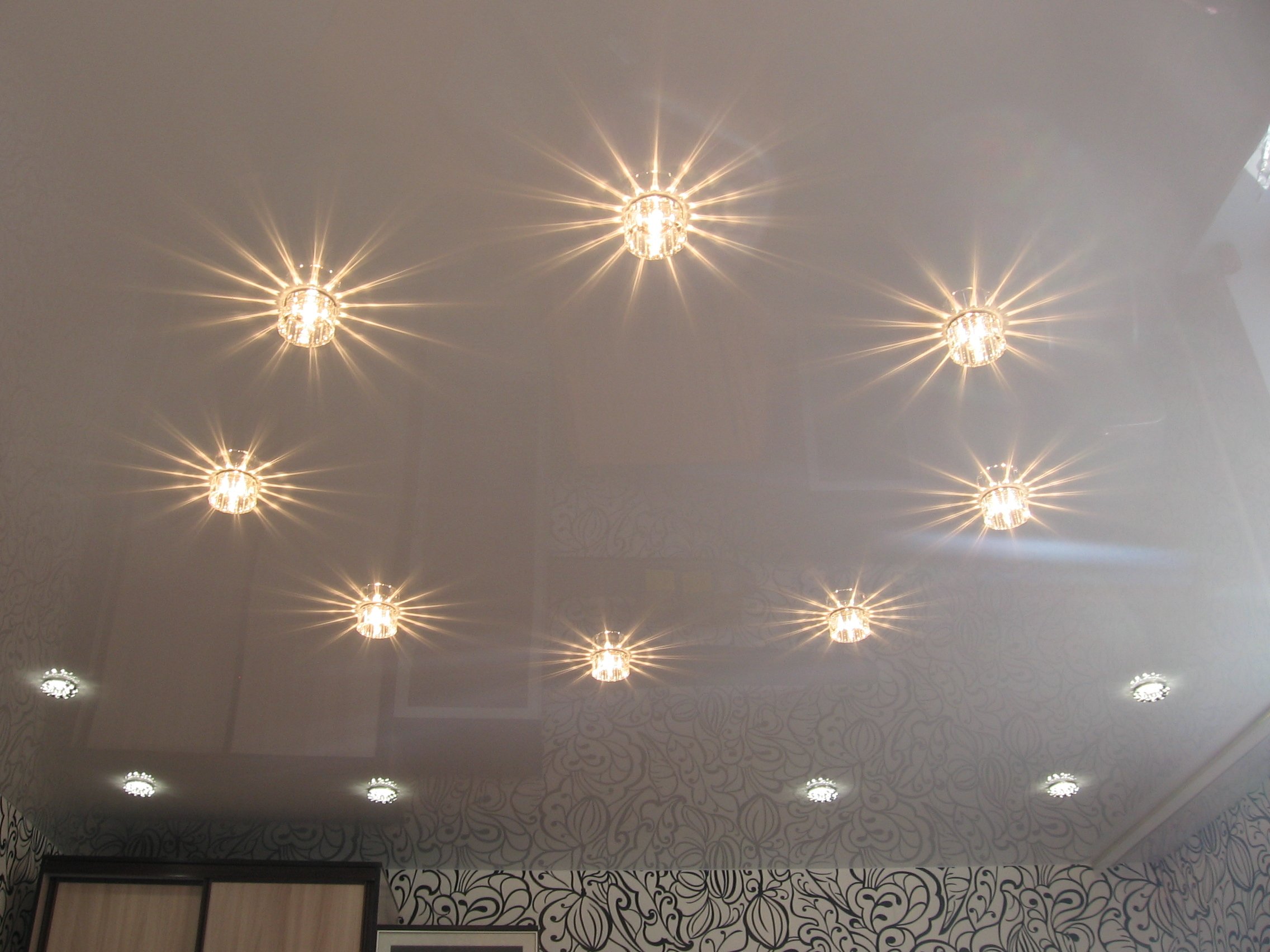
The placement of recessed lights on the ceiling 53 photos
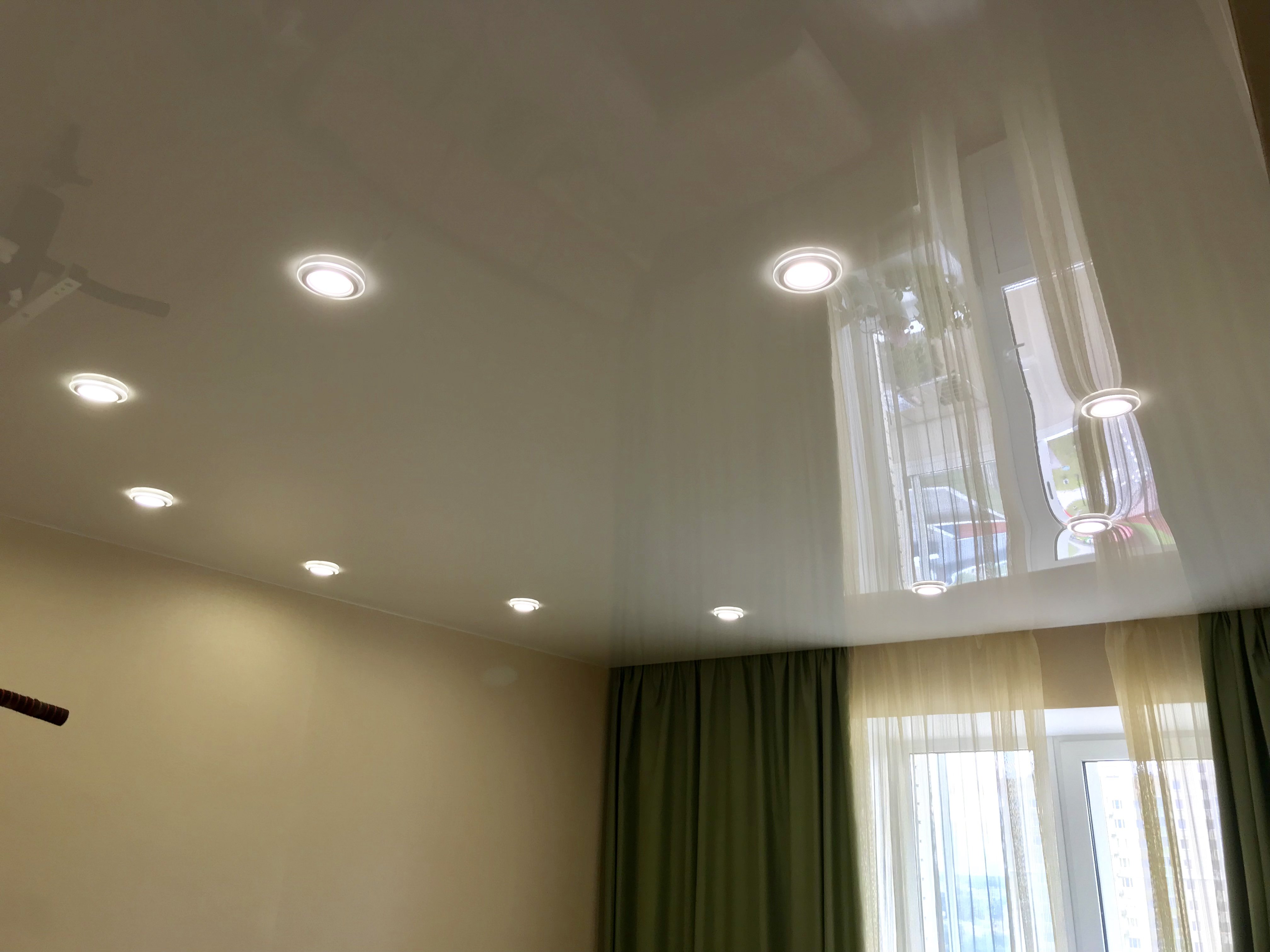
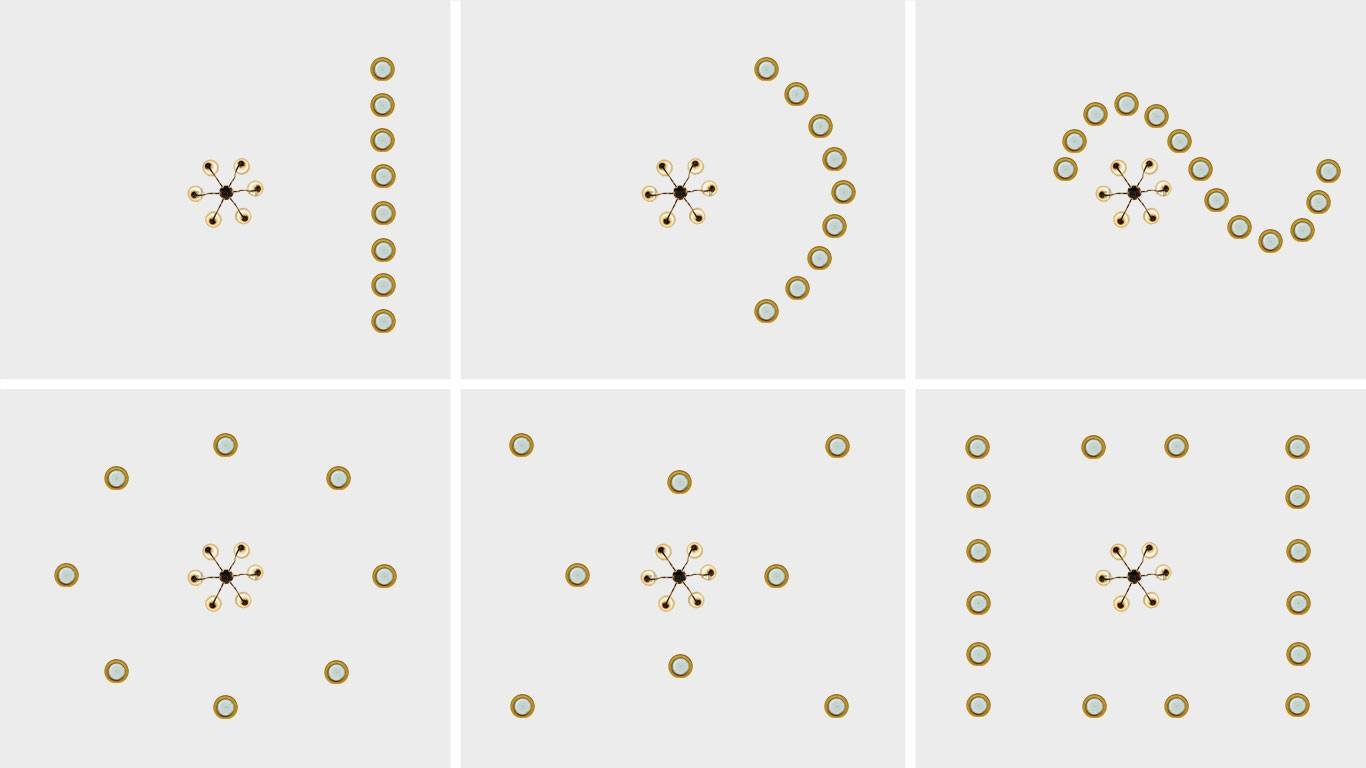
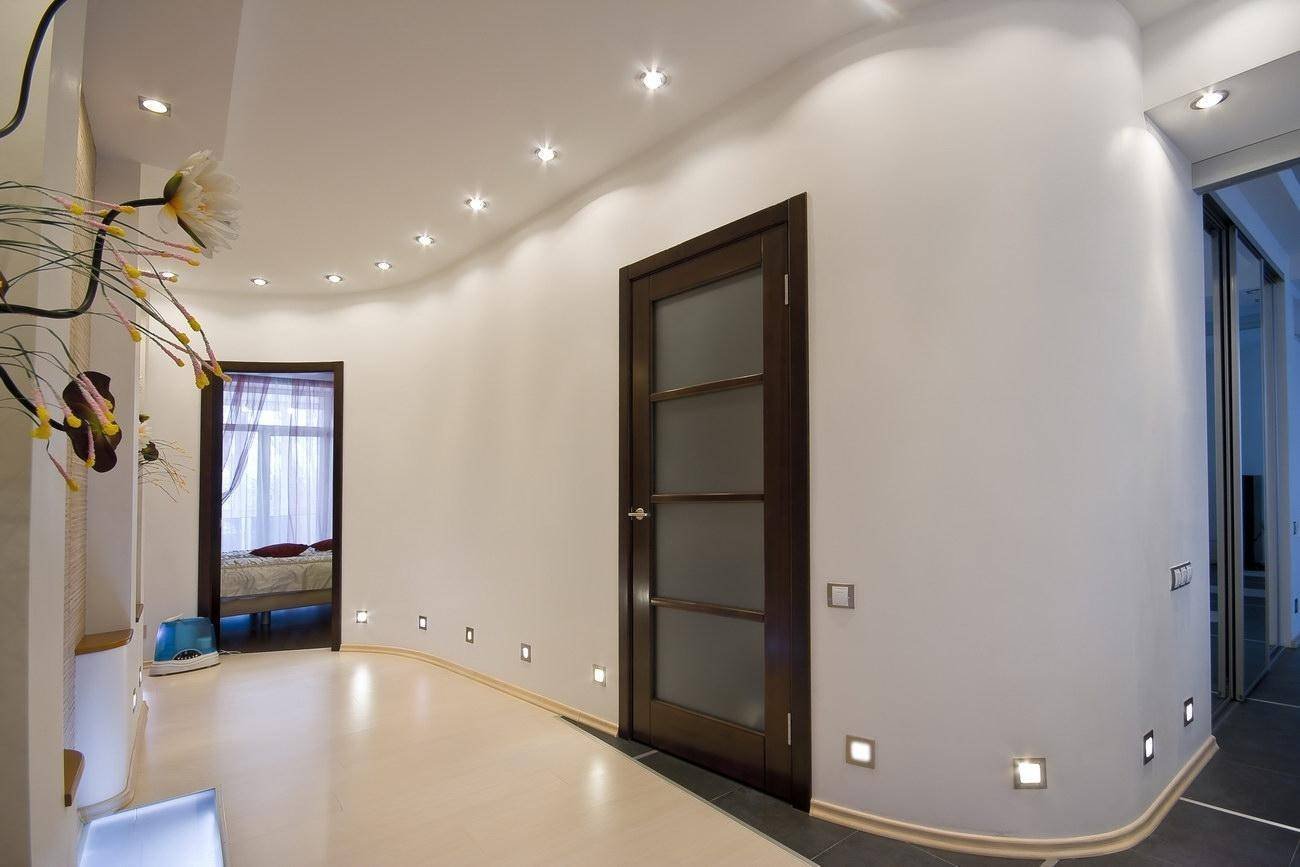
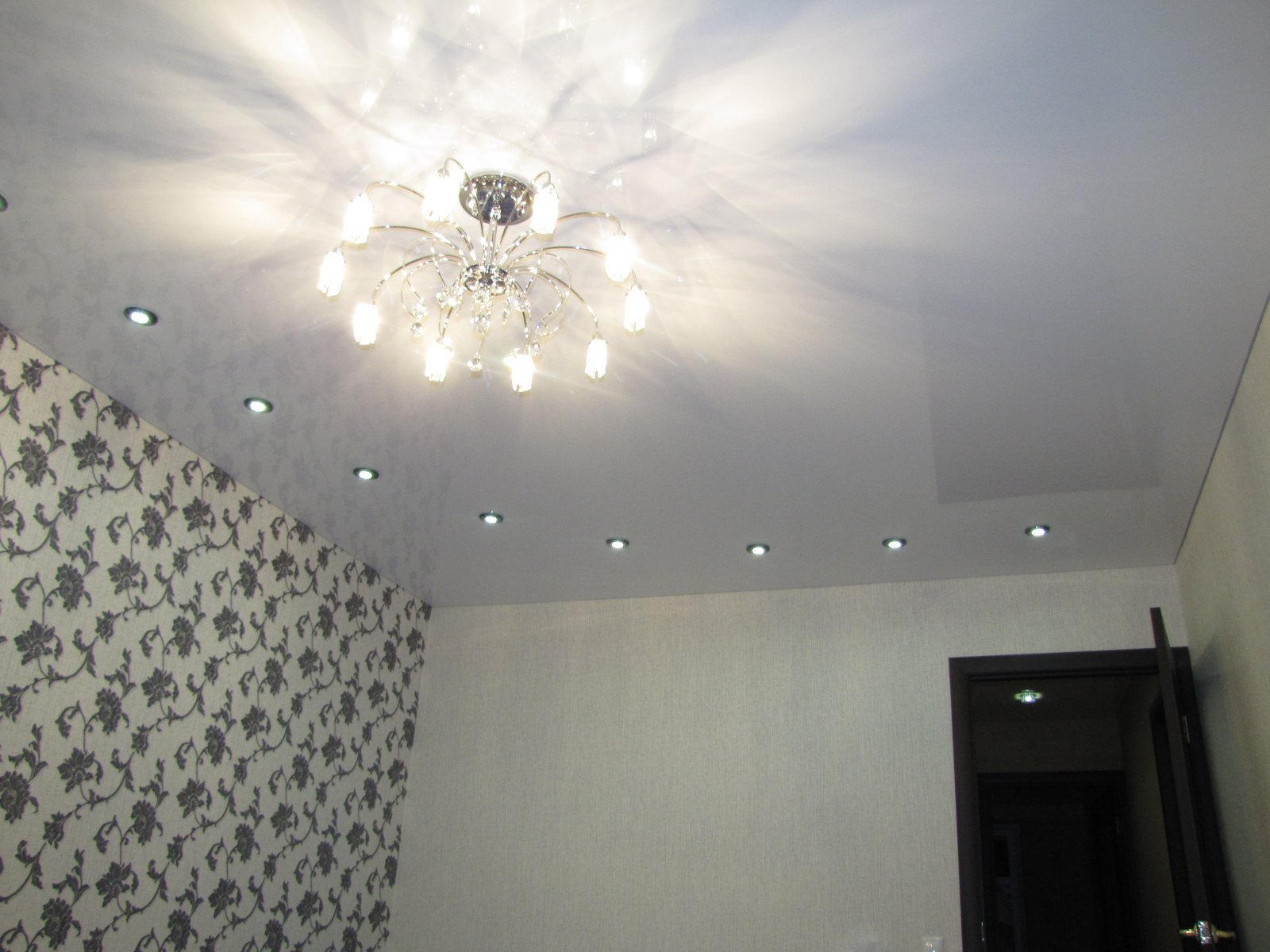
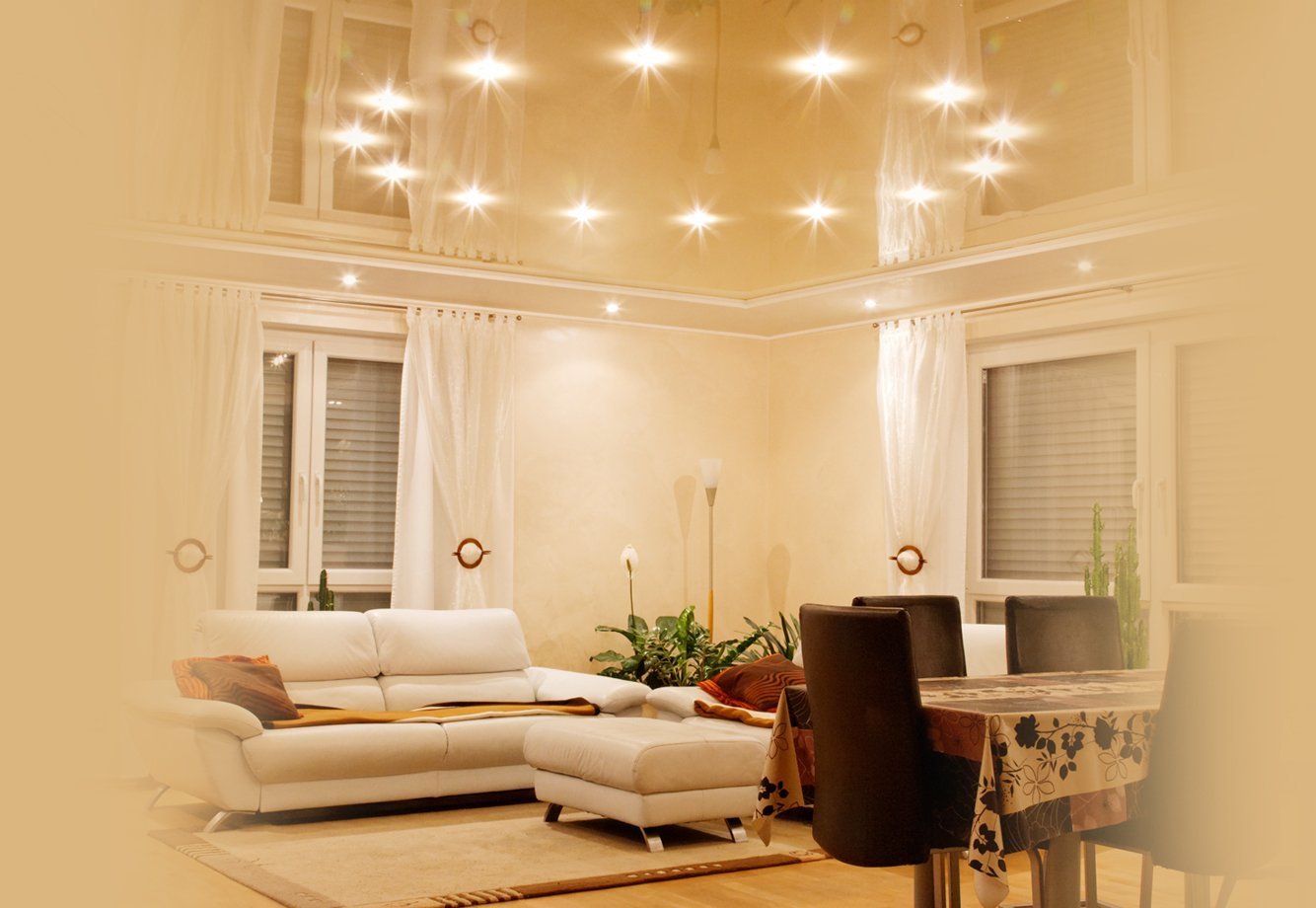
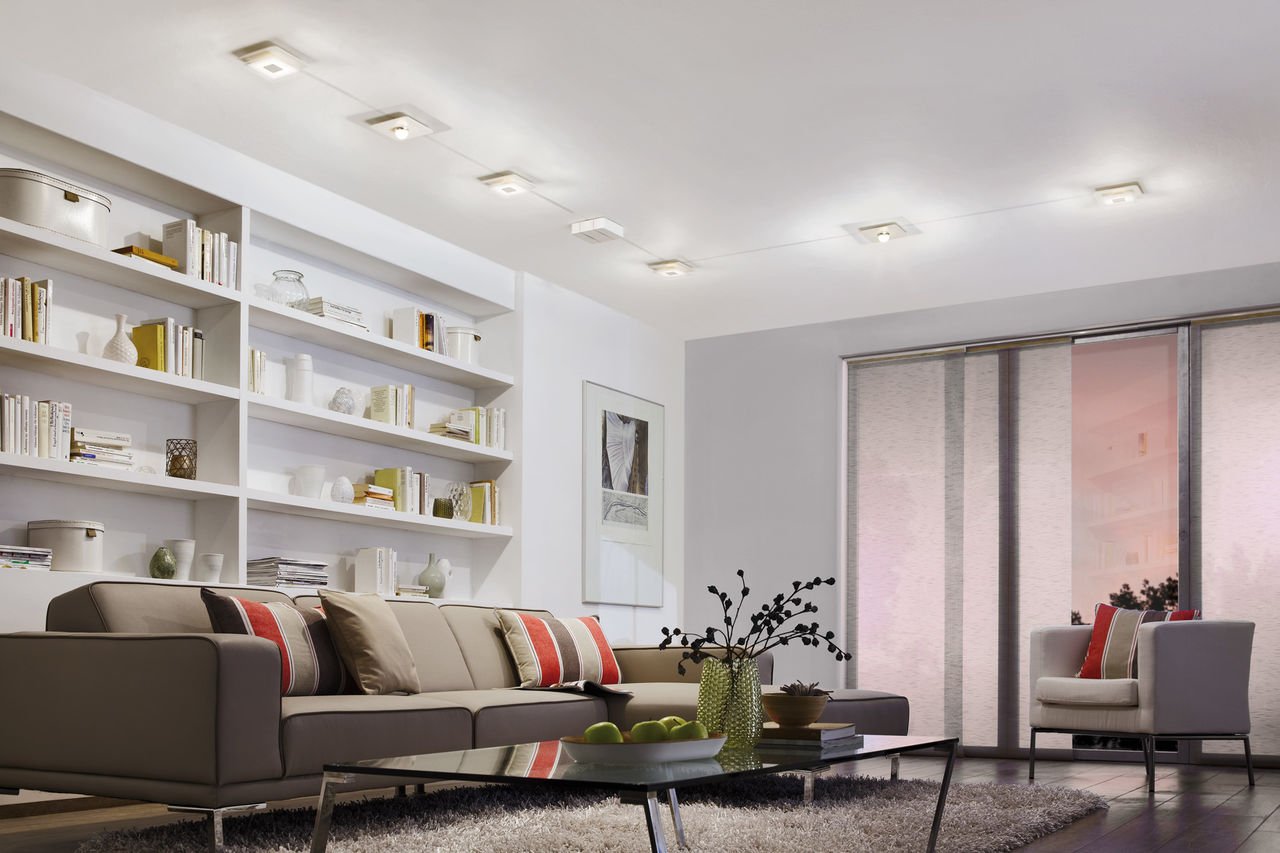
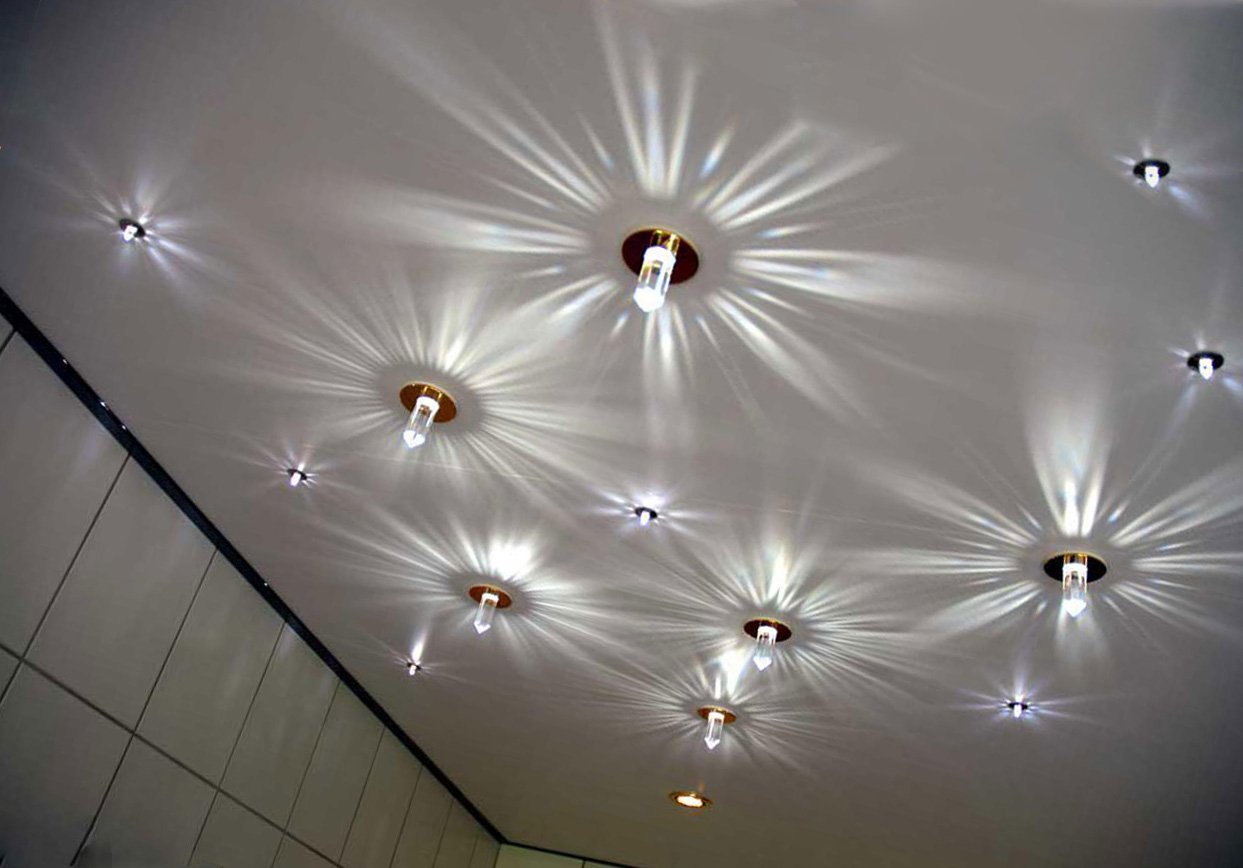
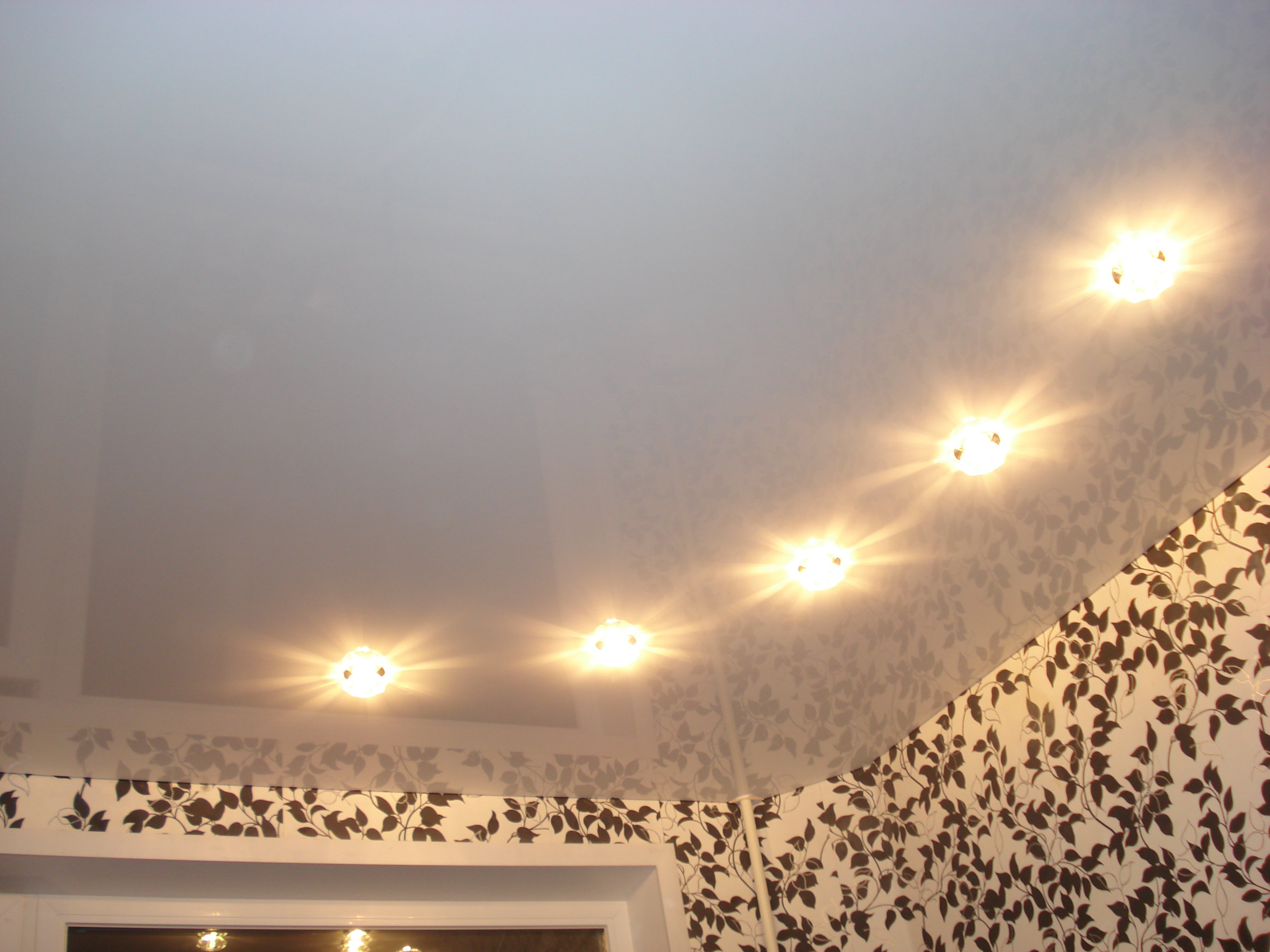
Recessed lighting has become a popular choice in modern interior design, celebrated for its ability to provide a clean and unobtrusive light source. When considering the placement of recessed lights on the ceiling, several key factors come into play to achieve both functionality and aesthetic appeal. First, determine the purpose of the lighting in each room. For general illumination, evenly space recessed lights across the ceiling to create a uniform spread of light. In contrast, accent lighting requires strategic placement to highlight specific architectural features or artworks, often using adjustable fixtures to direct the light precisely where needed. Ceiling height plays a crucial role in placement decisions. Lower ceilings may require narrower beam angles to prevent excessive overlap of light, while higher ceilings can accommodate wider angles for broader coverage. Additionally, consider the role of natural light during the day, ensuring that recessed lighting complements rather than competes with sunlight. Spacing between fixtures should generally be about half the ceiling height to ensure adequate coverage without over-lighting the space. It's also essential to avoid placing lights too close to walls, as this can create harsh shadows and diminish the room's ambiance. Thoughtful placement of recessed lights can transform a room, offering a seamless blend of functionality and style.