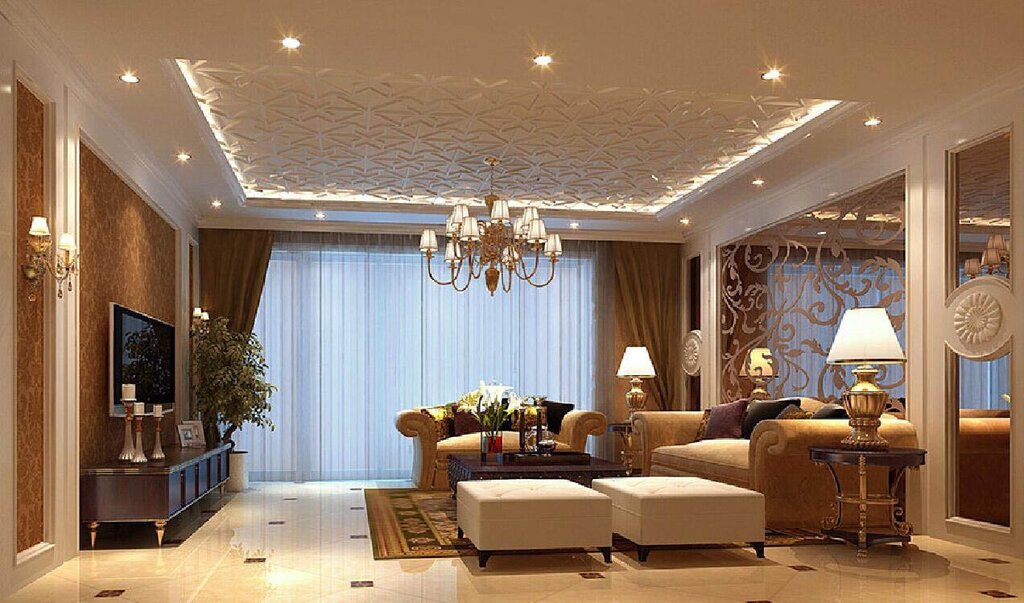
Bas-relief and high relief 62 photos
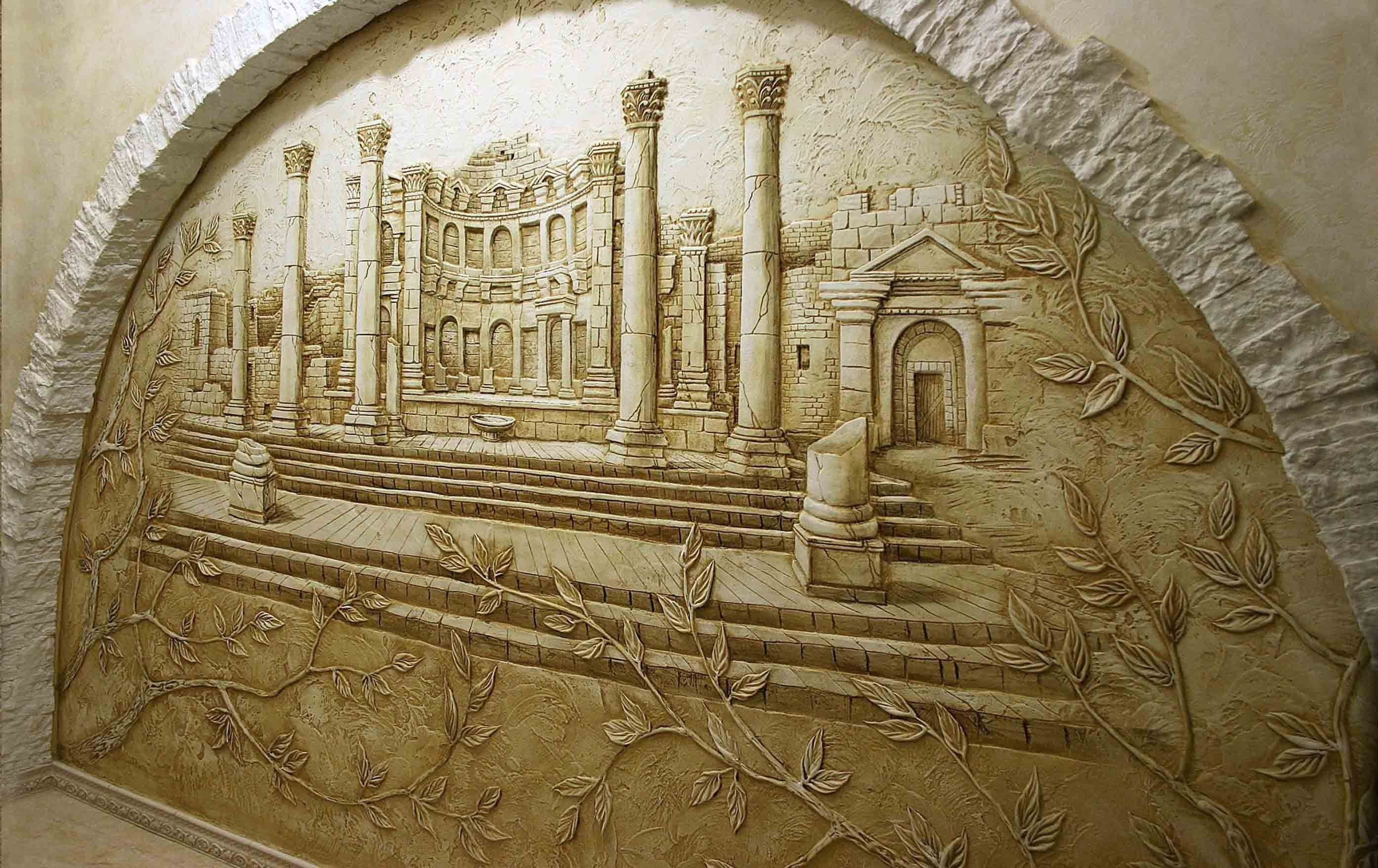
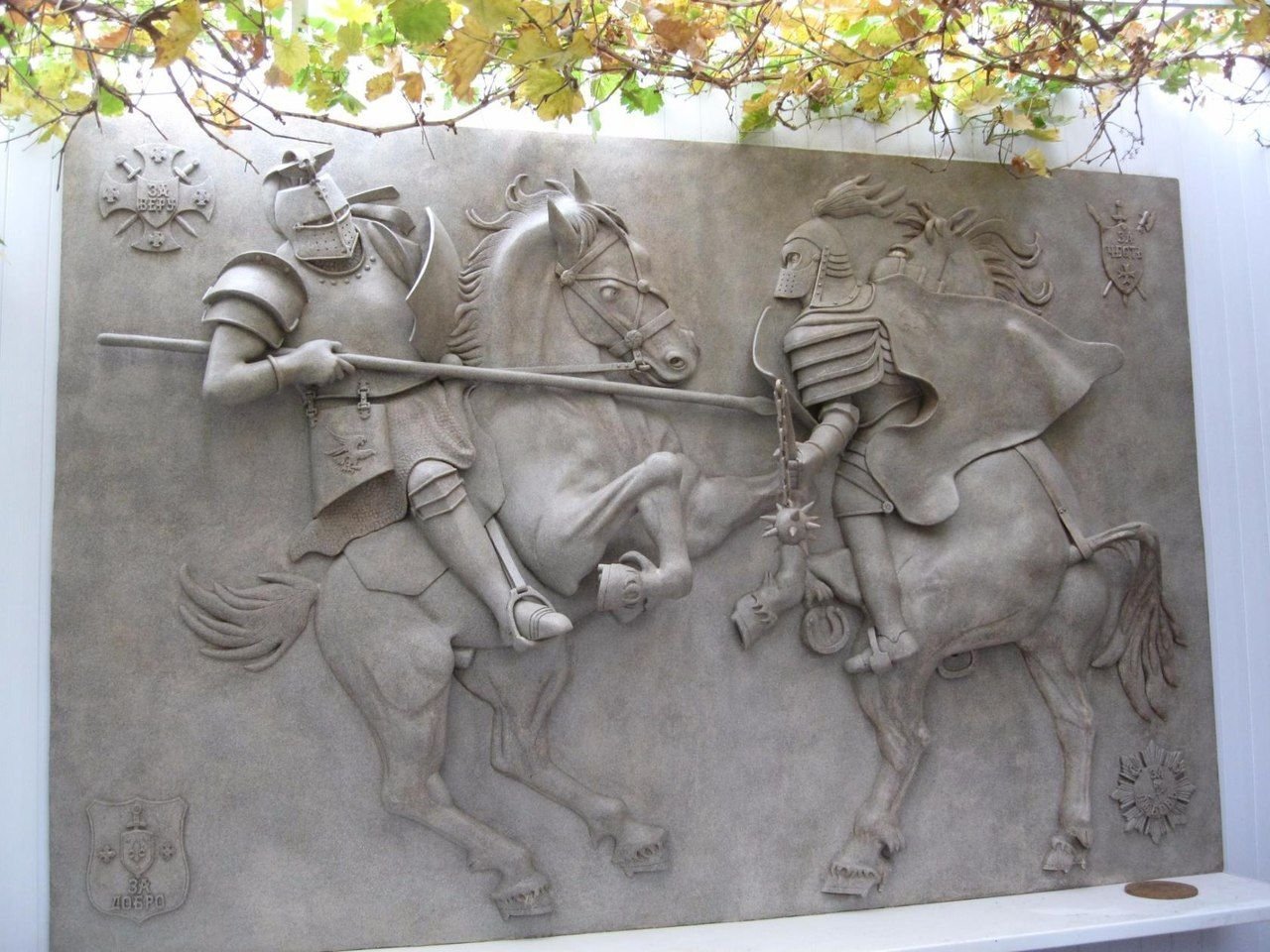
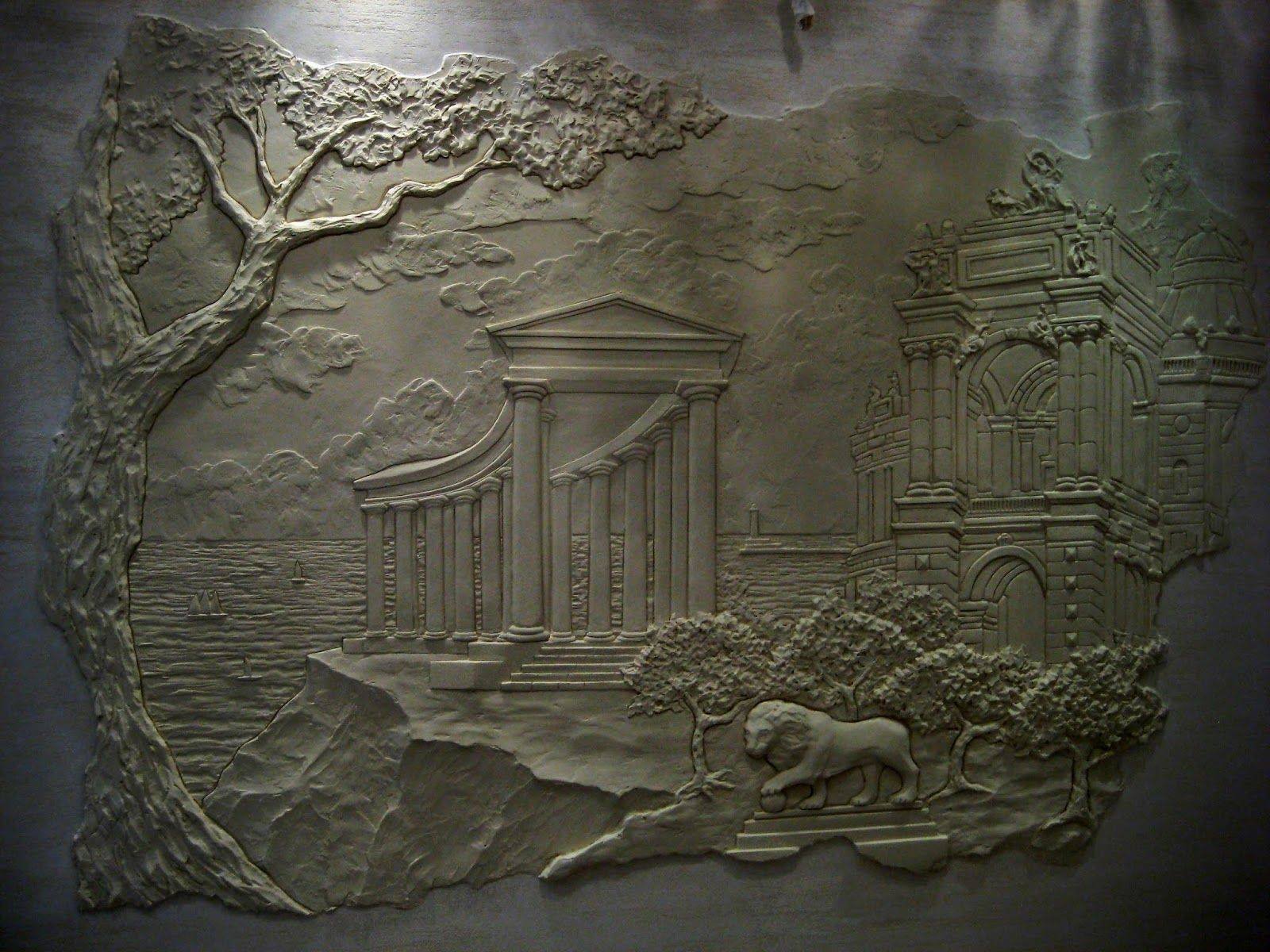
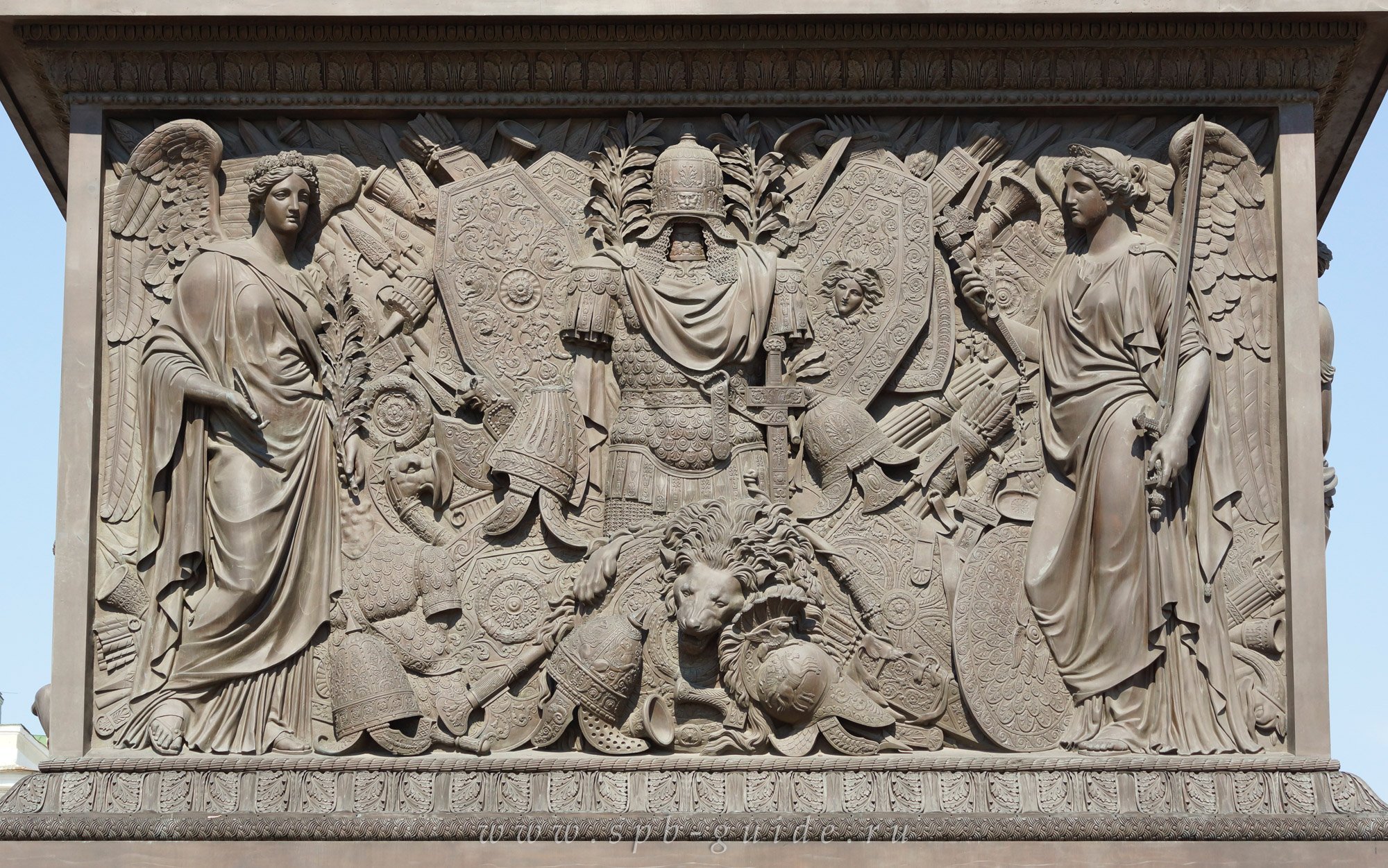
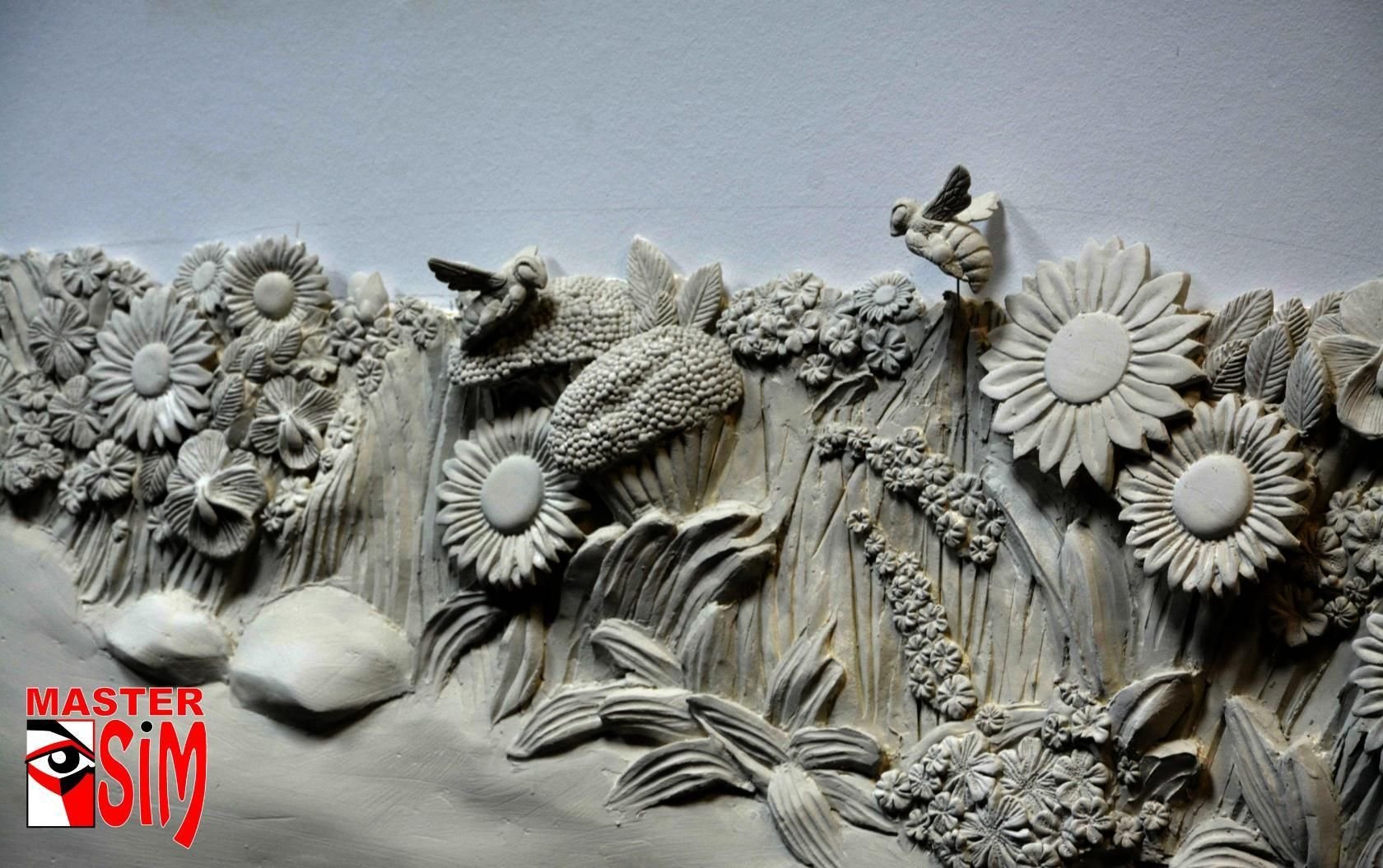
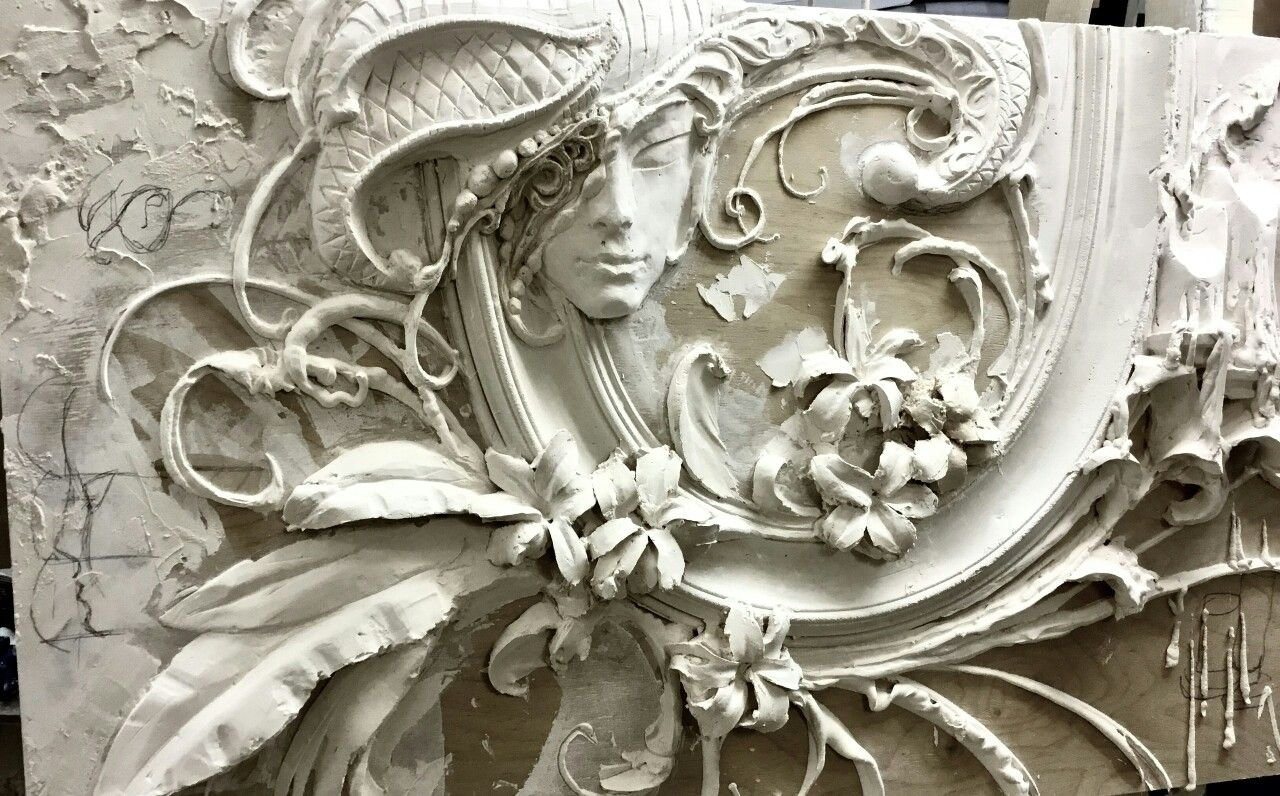
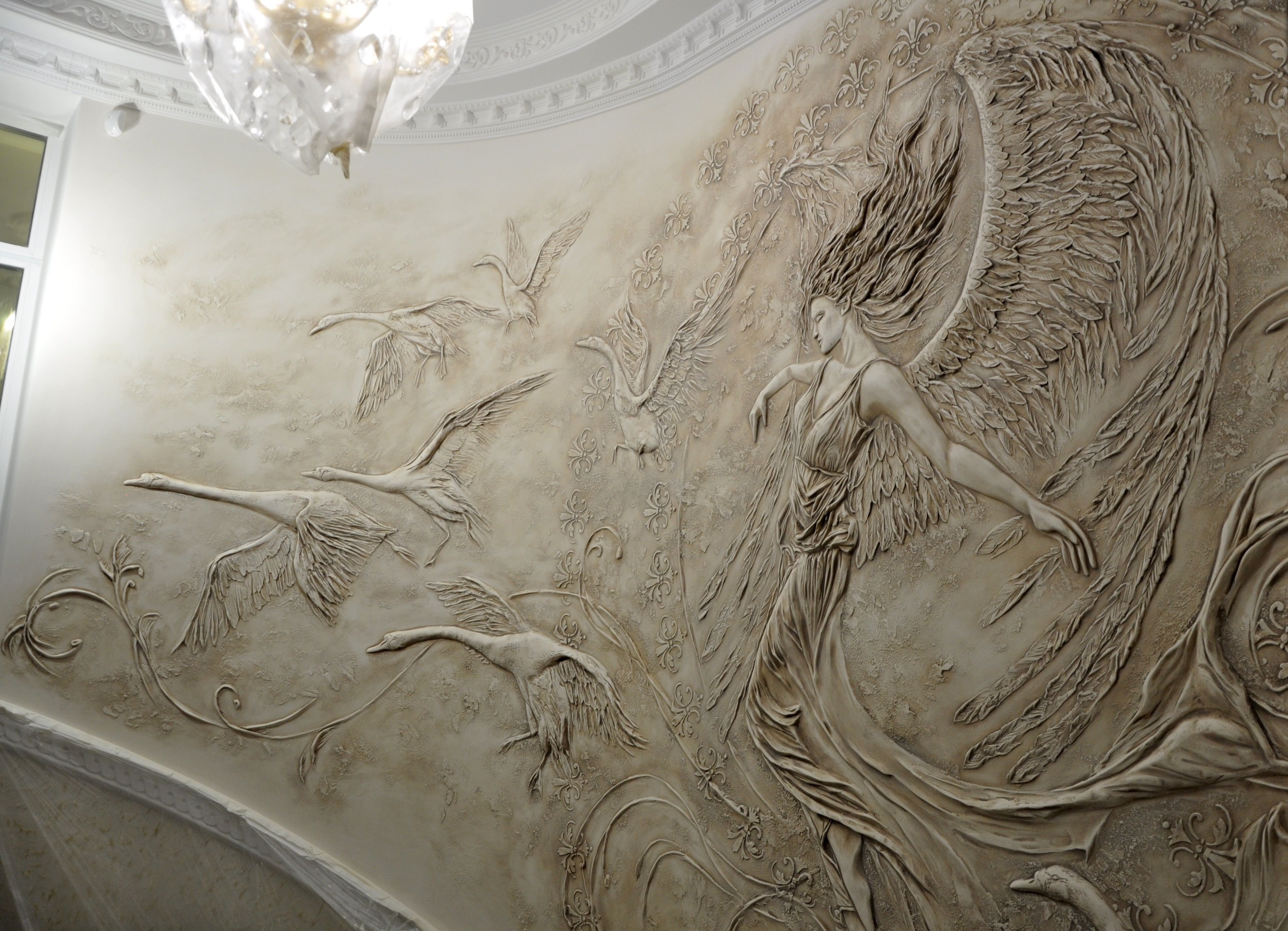
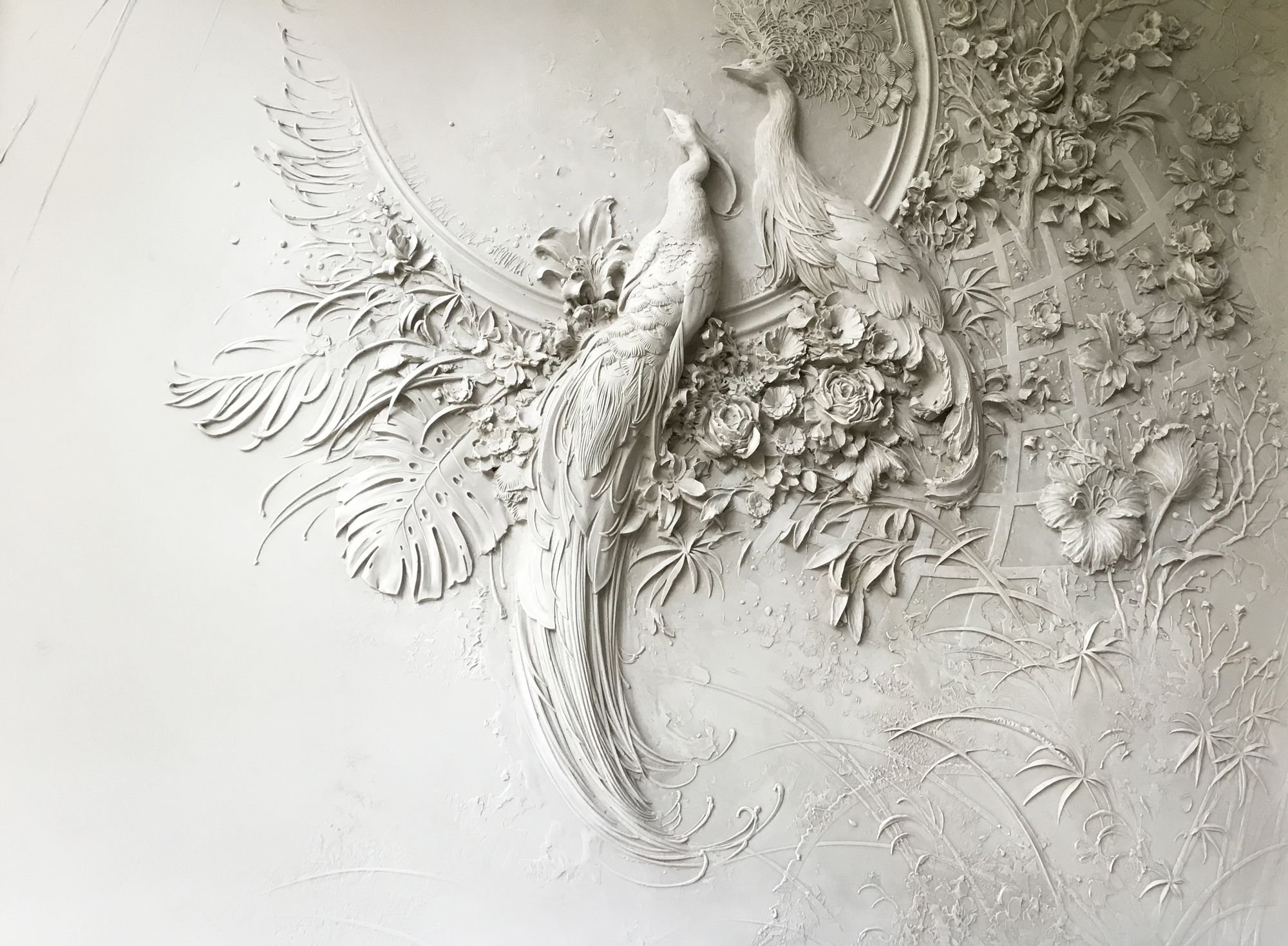
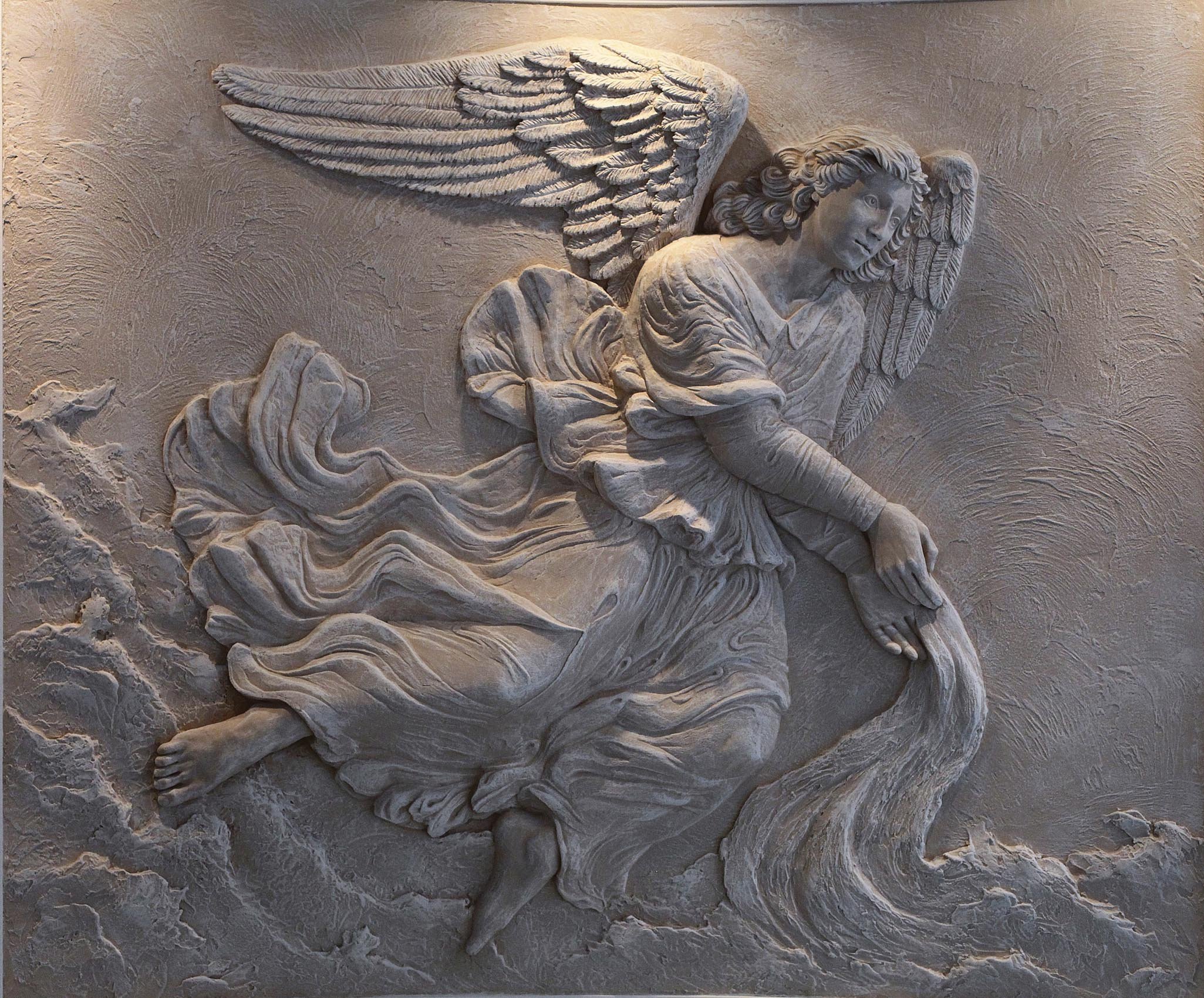
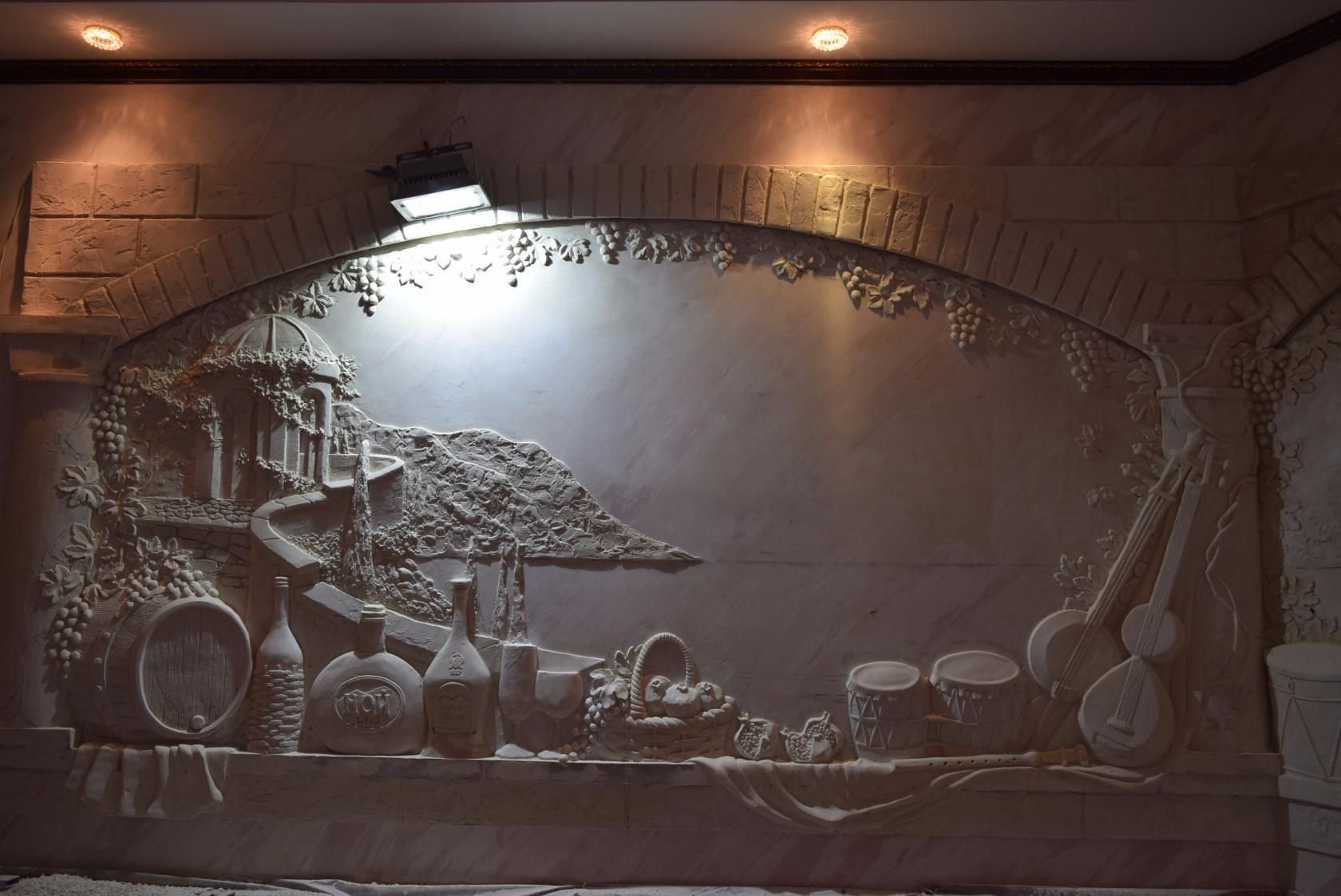
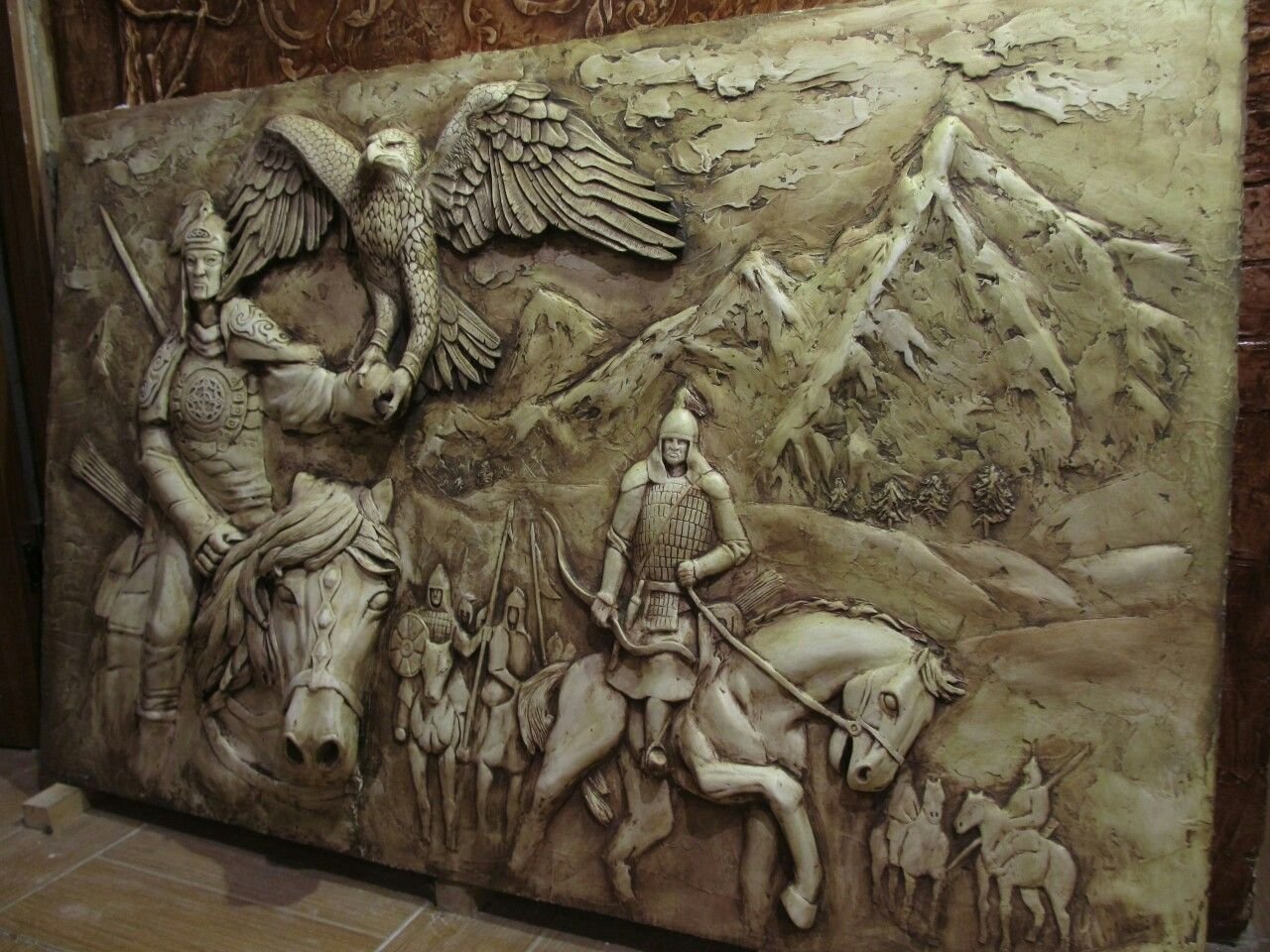
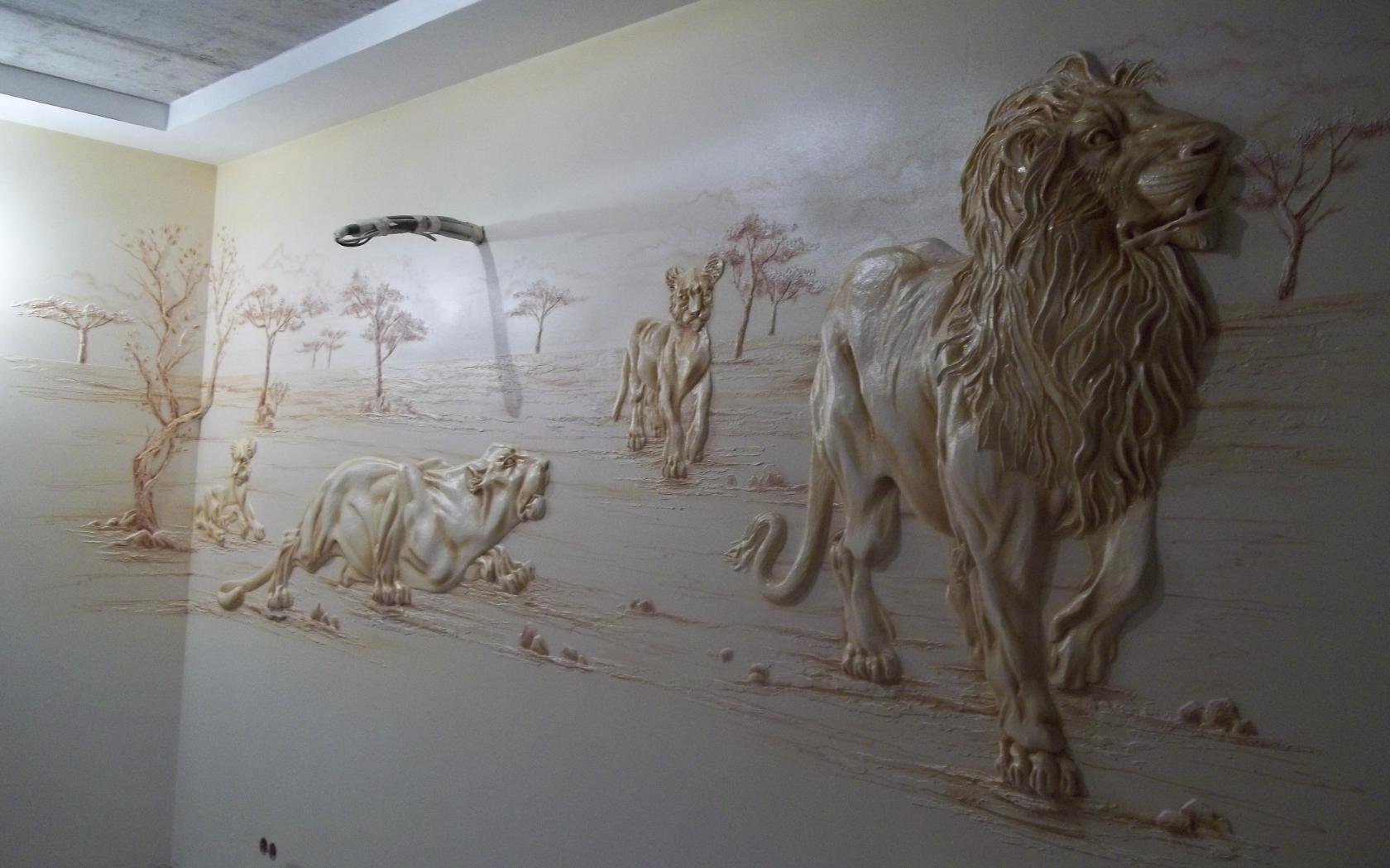
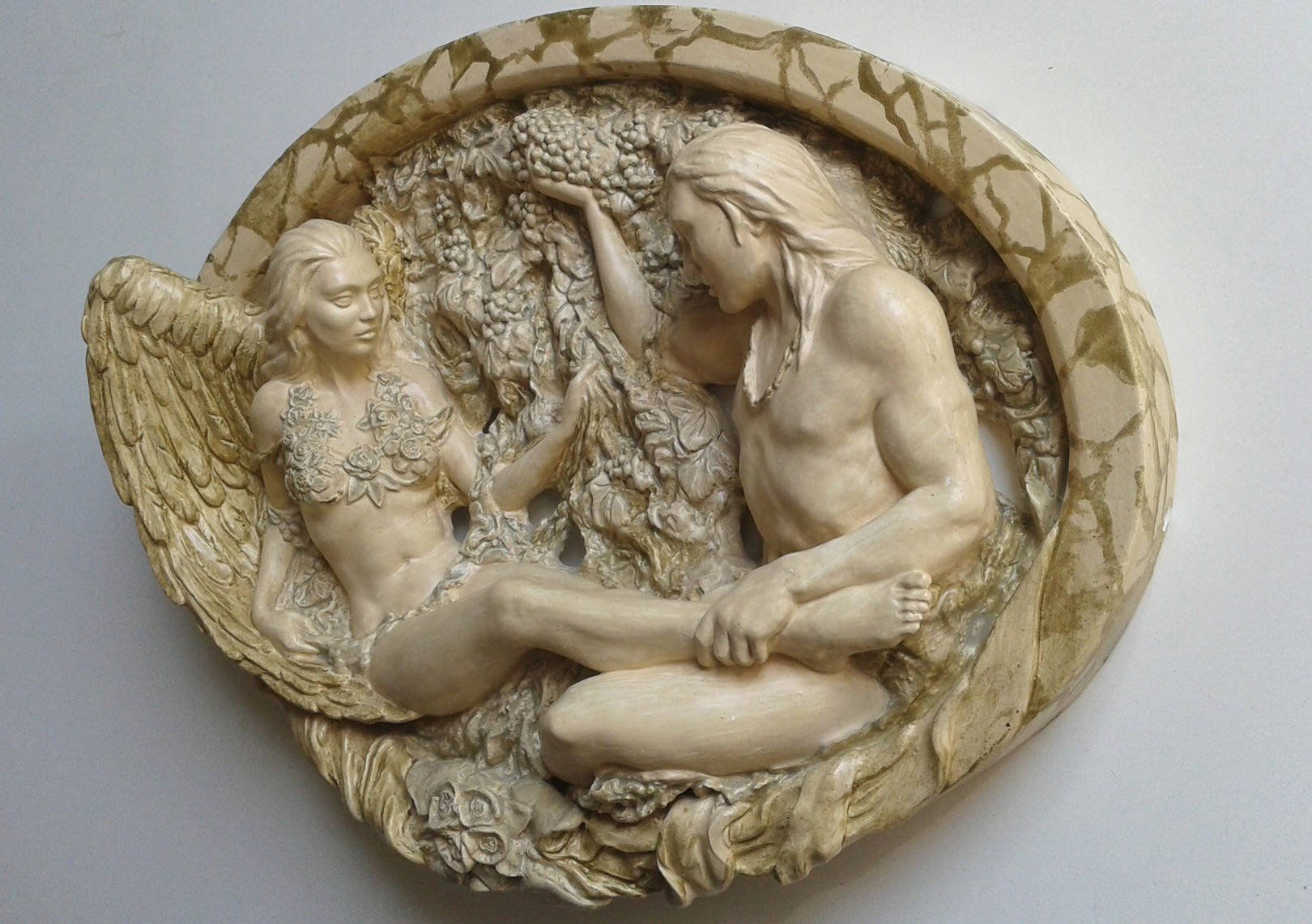
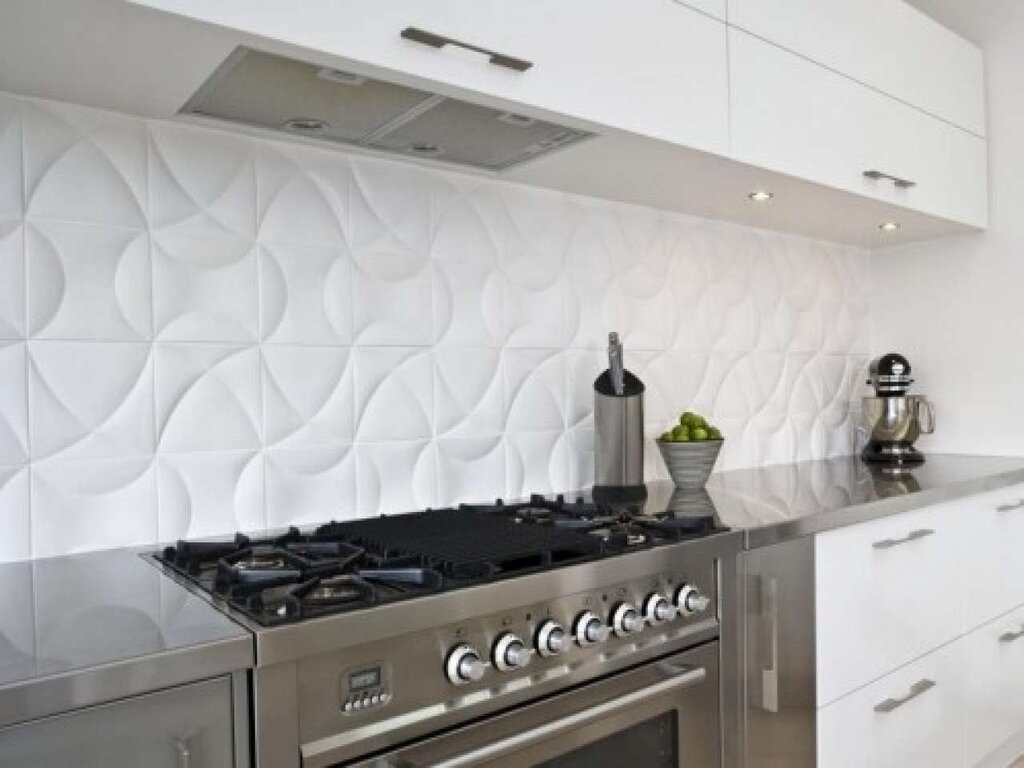
Bas-relief and high relief are captivating forms of sculptural art that have embellished architectural spaces for centuries. Both techniques involve carving into a surface to create images that project from a flat background, yet they differ in the depth and intricacy of their designs. Bas-relief, or low relief, features shallow carvings where the figures are only slightly raised above the background, offering a subtle play of light and shadow. This technique is often used for narrative scenes, providing a delicate, harmonious addition to walls and facades. In contrast, high relief involves deeper carving, with elements that may project significantly from the base, sometimes appearing almost in-the-round. This method creates a dramatic effect, emphasizing the dynamism and movement of the depicted subjects. High relief can be found in various cultural and historical contexts, from classical friezes to contemporary installations, each telling a unique story through its bold and expressive forms. Both bas-relief and high relief serve as timeless methods to transform interior spaces, adding texture, depth, and an element of storytelling. They invite viewers to explore and interpret the layers of artistic expression, enhancing the aesthetic and cultural value of any environment.